


 +
+ +
+
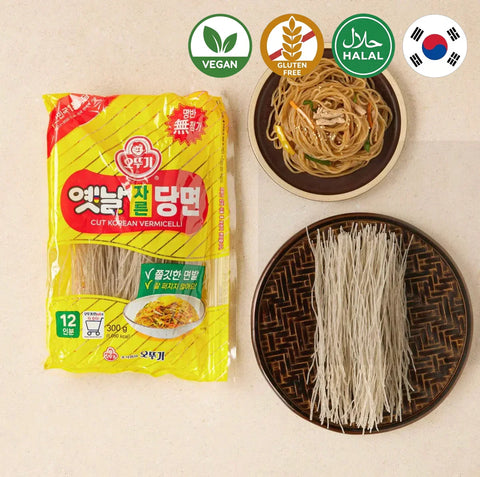
- ✔Ottogi Authentic Korean Glass Noodles - Yenal Jareun Dangmyeon 300g€6.50
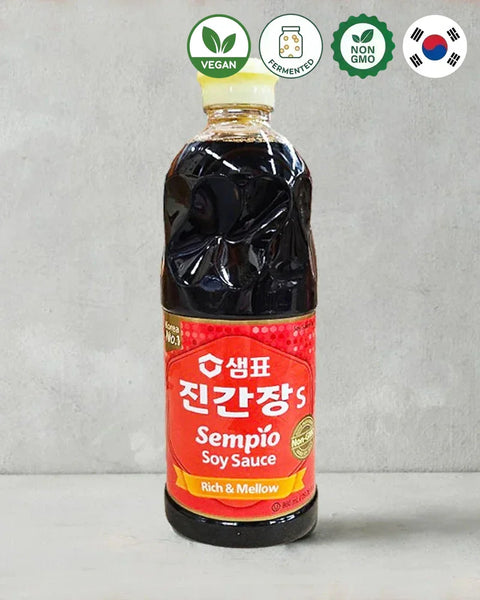
- ✔Sempio Naturally Fermented Korean Dark Soy Sauce - Jin Ganjang S 860ml€5.49
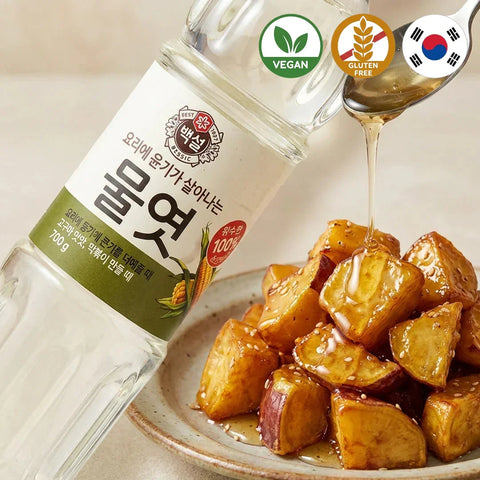
- ✔Beksul Authentic Korean Corn Syrup - Mulyeot 700g€4.45

-
 오뚜기 옛날 자른당면 300g
×1
오뚜기 옛날 자른당면 300g
×1 - ↳ Ottogi Cut Glass Noodles 300g — glass noodles are the essential ingredient of japchae and the heart of the authentic recipe.
-
 샘표 진간장 S 860ml
×1
샘표 진간장 S 860ml
×1 - ↳ Sempio Jin Soy Sauce S 860ml — a rich brewed soy sauce that forms the base of the japchae seasoning, adding umami and color.
-
 백설 물엿 700g
×1
백설 물엿 700g
×1 - ↳ Beksul Starch Syrup 700g — 'mullyeot' (Korean rice-based starch syrup) gives japchae its signature glossy shine and gentle sweetness, used traditionally instead of sugar.
 1 carrotzanahoria
 1 onioncebolla
 a handful of spinachespinacas
 4-5 shiitake or button mushroomschampiñones / setas shiitake
 200g beef or porkcarne de ternera o cerdo
 1 bell pepperpimiento
 garlicajo
 cooking oil
 salt
salt black pepper
 minced garlic
 sesame oil (if available)
 toasted sesame seeds (if available)

Soak 200g of glass noodles (for 2 servings) in cold water for 20-30 minutes. Short on time? Lukewarm water works in 15 minutes. They're ready when fully soft and pliable.

Thinly julienne the carrot, onion and bell pepper; slice the mushrooms; cut the meat into thin strips. Rinse the spinach and set aside.

Make the sauce: mix 4 tbsp soy sauce, 2 tbsp starch syrup, 1 tsp minced garlic and a pinch of pepper in a bowl. Add 1 tbsp sesame oil if you have it.

Blanch the spinach in salted boiling water for just 30 seconds, rinse in cold water, squeeze out the moisture, and lightly season with salt and sesame oil. Don't overcook or it turns mushy.

Boil the soaked noodles over medium heat for 6-7 minutes. When translucent and chewy, drain, rinse in cold water, drain again, and snip 2-3 times with scissors (too long makes them hard to eat).

Heat oil in a pan over medium-high heat and stir-fry the meat. Season with 1 tbsp soy sauce and cook 3-4 minutes until fully browned, then set aside.

Add a little more oil to the same pan and stir-fry over medium heat in order: onion → carrot → bell pepper → mushroom, about 2 minutes each. Keep them slightly crisp — don't overcook.

In a large pan (or big bowl) add the boiled noodles and half the sauce, tossing over low-medium heat for 2 minutes to let the noodles soak it up. They're ready when they turn a nice brown.

Add the cooked meat, all the vegetables and the blanched spinach, pour in the rest of the sauce, and toss evenly with tongs or hands. Turn off the heat and mix in the residual warmth so the veggies stay crisp.

Taste and adjust: add more soy sauce if bland, more starch syrup if you want it sweeter. Finish with 1 tbsp sesame oil and a sprinkle of sesame seeds.
Can I adjust the spice level?
Japchae is not a spicy dish by nature. If you'd like some heat, add a little sliced chili or chili flakes at the end.
How many servings does it make?
About 2 generous servings with 200g of noodles, and up to 3-4 servings if you use the full 300g pack.
How do I store leftovers?
Keep in an airtight container in the fridge for up to 3 days. To reheat, stir-fry in a pan with a drop of sesame oil to bring back the fresh texture.
Can I make it without meat?
Yes — add extra mushrooms for a great vegetarian japchae. Tofu or fried tofu pouches also work well in place of meat.
What cooking tools do I need?
A large pan (or wok), one pot, a knife or julienne peeler, and a big bowl for tossing are all you need.
Can beginners or kids make it?
As long as you watch the noodle boiling time, it's almost foolproof. If cooking with kids, let them handle the final tossing and sprinkling of sesame seeds.