








Jump toRecipeVideoStep by step
Our dolsot bibimbap stone bowl recipe brings that restaurant sizzle straight to your own hob. Picture it: hot rice crackling against sizzling stone, glossy vegetables, a wobbling egg yolk on top. Best of all, you don't actually need a stone bowl to pull it off.

Why this dolsot bibimbap stone bowl recipe works
Here's the thing most recipes won't tell you. The magic of dolsot bibimbap isn't the toppings — it's the crust. That golden, crackling layer of rice at the bottom, called nurungji (누룽지), is what people queue for in Jeonju. Yet at home, most attempts end in soggy rice or a scorched pot. We've tested this dolsot bibimbap stone bowl recipe repeatedly in a normal European kitchen. The fix turned out to be simple: proper preheating, enough sesame oil, and the patience to leave the rice alone. Additionally, every topping is seasoned separately, so each spoonful tastes deliberate rather than muddled. It sounds fussy. In practice, it's 30 minutes of relaxed prep.
This post teaches you two secrets. First, how to build a crust that releases cleanly and crackles when you scrape it — including the exact heat level and timing. Second, how to make a proper bibimbap sauce with gochujang (고추장) that clings to the rice instead of sliding off. Moreover, we'll show you which pot to use if you don't own a dolsot, because a cast-iron skillet works brilliantly. Follow along, and your first attempt will genuinely taste like the version from a Korean bunsikjip. Your second attempt will be better still.

What is dolsot bibimbap?
Dolsot bibimbap (돌솥비빔밥) means "stone pot mixed rice". A dolsot (돌솥) is a heavy granite bowl, heated until searing, then filled with rice, vegetables, meat and egg. The heat toasts the bottom layer of rice into nurungji — the crispy crust Koreans fight over. Bibimbap itself is centuries old; the most famous version comes from Jeonju in Korea, where it's practically a civic religion. We've eaten it there, elbow-to-elbow with locals, and the lesson stuck: the dish lives or dies by that sizzle. Consequently, the stone bowl isn't decoration. It's the cooking vessel, the serving dish and the theatre, all at once.
What you need for dolsot bibimbap
The shopping list looks long, but it's mostly vegetables you already own. Spinach, carrots, courgette, mushrooms and bean sprouts are classic; swap freely for what's in the fridge. The non-negotiables are short-grain rice, toasted sesame oil and real gochujang for the sauce. For the beef, a good Korean marinade saves you measuring six things. Everything below ships from our warehouse across Spain, Portugal and the EU.
- : the backbone of the bibimbap sauce — sun-dried chillies, glutinous rice, proper fermented depth
- : made for pork but brilliant on beef mince; garlic, chilli and sweetness in one pour
- : seasons the mushrooms and courgette without overpowering them
- : crumbled over the top for a salty, toasty finish
- : pantry staples — don't substitute the sesame oil, it creates the crust's flavour

Technique and common mistakes
One technique decides everything: how you crisp the rice. Preheat your dolsot or cast-iron pan over medium heat for three to four minutes before any rice goes in. Then brush the base generously with sesame oil — it should shimmer. Press the rice firmly against the hot surface and leave it completely alone for six to eight minutes. You'll hear it. A gentle crackle means the crust is forming; silence means your heat is too low. This is the heart of any dolsot bibimbap stone bowl recipe, and it's also where most home cooks lose their nerve and stir. Don't stir.
- Cold pot, soggy rice: Adding rice to an unheated pot steams it instead of toasting it. Preheat until a drop of water dances.
- Too little oil: Skimp on sesame oil and the crust welds itself to the pot. Two tablespoons per pot is correct, not indulgent.
- Stirring too early: Every stir resets the crust to zero. Trust the crackle, wait the full time, then scrape and mix at the table.
Tip: Warm rice crisps far better than fridge-cold rice, so reheat leftovers before pressing them in.
Step by step, in photos


What to serve with dolsot bibimbap
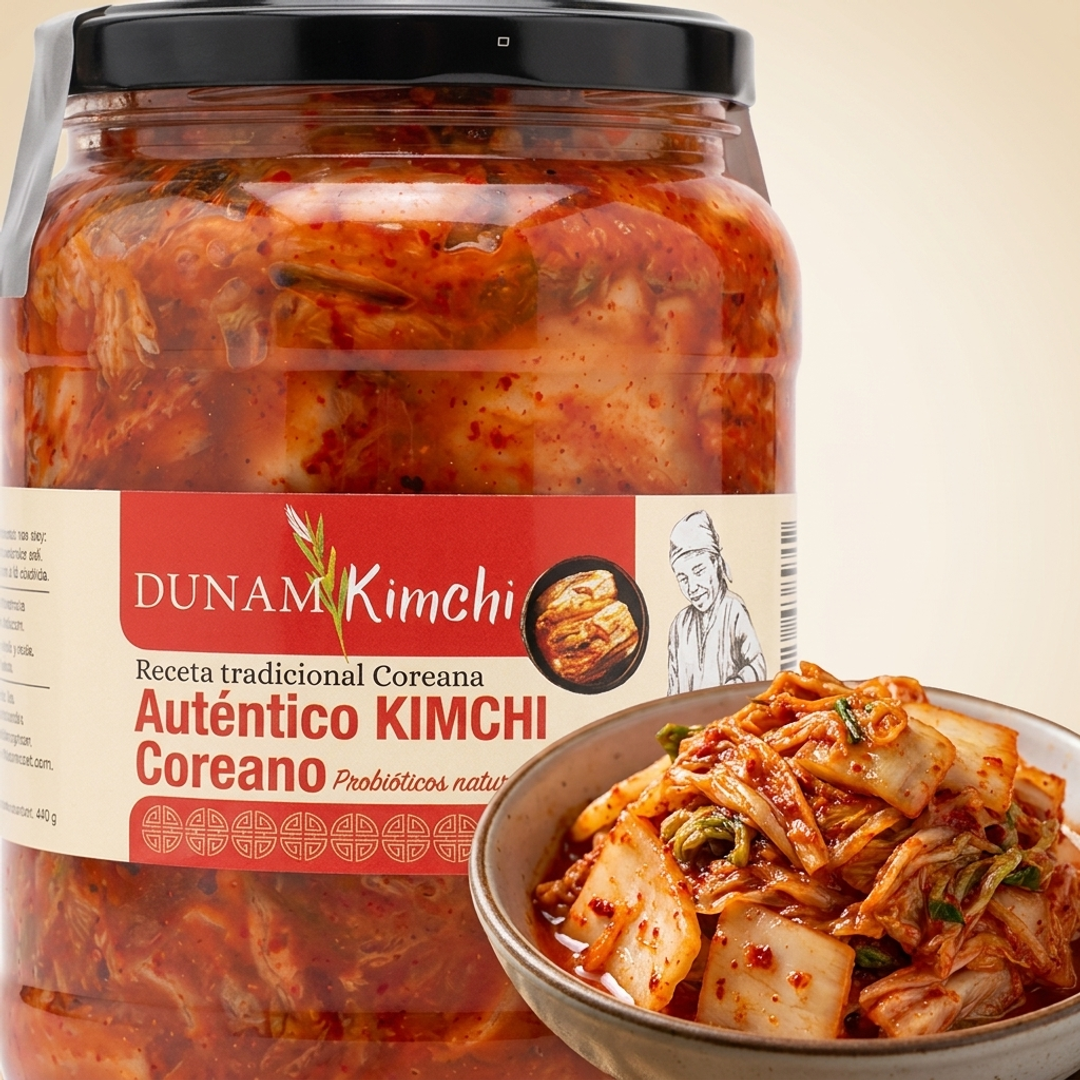
In Korea, dolsot bibimbap arrives with a small hot soup and a parade of banchan. Honestly, a light anchovy broth is all this dish needs — the stone bowl bibimbap recipe is a complete meal on its own. However, a sharp cucumber side cuts through the richness beautifully, and kimchi is never wrong. Pour something cold alongside: beer, barley tea, or makgeolli if you're feeling festive.
- Chung Jung One coin stock cubes — drop one in hot water for an instant anchovy broth — the classic soup pairing
- Sunchang vinegar gochujang — toss with sliced cucumber for a sweet-sharp side in two minutes
- CJ beef Dashida — a pinch turns leftover vegetable water into a quick Korean-style soup
Set the sizzling pot in the middle of the table, hand out spoons, and let everyone fight over the crispy bits. — DotAsia Kitchen x
More Korean recipes

How it’s made, on video
Shop the ingredients
In stock · shipping across Europe
 Chung Jung One Sunchang Gochujang, 1 kg10.50 €Shop
 Baeksul Spicy Bulgogi Marinade, 500 g4.50 €Shop
 Sempio Jin Soy Sauce Gold F3, 500 ml4.20 €Shop
 Dongwon Yangban Roasted Seaweed, 9 × 4.5 g8.50 €Shop
 Chung Jung One Sunchang Vinegar Gochujang, 300 g3.89 €Shop
 Baeksul Corn Syrup, 700 g4.45 €Shop
 Sempio Snowflake Sea Salt, 500 g3.95 €Shop
 Chung Jung One Coin Stock (Anchovy), 60 g9.95 €Shop

Dolsot Bibimbap with Crispy Rice
By: DotAsia Kitchen
Prep: 30 min·Cook: 25 min·Total: 55 min
Main course·Korean cuisine·Servings: 2
★★★★★A DotAsia house recipe
Our dolsot bibimbap stone bowl recipe delivers crackling golden rice, seasoned vegetables and a proper gochujang sauce — no restaurant required. Spice level: mild to medium, easily adjusted.
Ingredients
Rice and pot
Beef topping
Vegetables
Bibimbap sauce
To finish
Method
- Whisk the gochujang, sesame oil, corn syrup, vinegar, soy sauce and water until glossy. Set aside at room temperature.
- Fry the beef mince over high heat with the bulgogi marinade for 4–5 minutes until caramelised at the edges. Transfer to a bowl.
- Toss the blanched spinach and bean sprouts separately with salt, minced garlic and a few drops of sesame oil. Keep each in its own pile.
- Stir-fry the carrot, courgette and mushrooms separately in a lightly oiled pan, seasoning the mushrooms with soy sauce. Each needs only 2 minutes.
- Heat your dolsot or 20 cm cast-iron skillet over medium heat for 3–4 minutes. Brush the base and sides with 1 tablespoon of sesame oil per pot.
- Add the warm rice and press it firmly against the base with a spoon. Do not stir from this point on.
- Lay the vegetables and beef in neat wedges over the rice, like a colour wheel. Work quickly while the pot sizzles.
- Leave the pot on medium heat for 6–8 minutes until you hear a steady crackle. Drizzle a little extra sesame oil around the rim halfway through.
- Remove from the heat and slide an egg yolk into the centre. Scatter over crumbled seaweed and sesame seeds.
- Spoon over the sauce, then mix everything vigorously, scraping up the crispy rice from the bottom. Eat immediately, straight from the pot.
Notes
- No dolsot? A cast-iron skillet or heavy stainless pan gives an equally good crust — just skip the tableside sizzle.
- Spice: the sauce is mild-medium. Add more gochujang for heat, or more corn syrup to soften it for children.
- Vegetarian: swap the beef for pan-fried firm tofu and use the same marinade sparingly.
- Raw yolk not your thing? A fried egg with crispy edges is completely traditional too.
- In Seonkyoung Longest's video she serves the identical toppings in a regular bowl — proof the recipe works both ways, though you'll miss the crust.
- Storage: keep toppings and rice separately for up to 2 days; always crisp fresh in a hot pot.
Nutrition (per serving, approx.): Calories 680 kcal · Protein 31 g · Carbs 78 g · Fat 26 g
Did you make this recipe?
We love seeing your dishes — tag us on Instagram @dotasia.eu
Frequently asked questions
Can I make dolsot bibimbap without a stone bowl?
Yes — a cast-iron skillet is the best substitute. It holds heat almost as well as granite and builds an excellent crispy crust. Preheat it thoroughly, brush with sesame oil and press the rice in firmly. You lose the tableside presentation, but genuinely nothing of the flavour or texture.
What is the difference between bibimbap and dolsot bibimbap?
The vessel is the only real difference. Regular bibimbap is served in an ordinary bowl at room temperature; dolsot bibimbap arrives in a searing-hot stone pot. Consequently, the dolsot version stays piping hot throughout the meal and develops nurungji — the crispy toasted rice layer at the bottom.
How do you get the crispy rice at the bottom?
Heat, oil and patience. Preheat the pot for several minutes, coat it generously with toasted sesame oil, then press warm rice against the base. Leave it untouched on medium heat for 6–8 minutes until it crackles audibly. Stirring early is the mistake that ruins most attempts.
What sauce goes on dolsot bibimbap?
A gochujang-based sauce is the classic choice. Whisk gochujang with sesame oil, a little sweetness, vinegar and water until pourable. The vinegar lifts it, while the oil helps it coat every grain. Some Koreans use plain soy sauce with sesame oil instead — milder, but equally traditional.
Get your bibimbap essentials delivered
From gochujang to roasted seaweed, we ship every ingredient in this recipe across Spain, Portugal and the EU — usually within days.
Shop all products🍲
Sizzle like Seoul
Every bibimbap ingredient, delivered to your door across Europe.
Go to the shop →


