




Jump toRecipeVideoStep by step
This doenjang jjigae recipe is the stew Koreans cook when nobody is watching. It is savoury, bubbling and honest — tofu, courgette and potato in a deep, fermented broth. Moreover, it hides one trick that most European cooks get exactly backwards.

Why this doenjang jjigae recipe works every time
Most first attempts at a doenjang jjigae recipe fail for one boring reason: watery broth. The paste sinks, the vegetables float, and the whole thing tastes like a shy soup. We fix that here. Our version uses a concentrated anchovy stock base, a sensible paste-to-water ratio, and a proper rolling boil. Consequently, you get that thick, punchy stew you remember from a Korean barbecue restaurant. No specialist equipment needed either. A normal saucepan works, although a stone pot looks the part. Everything comes together in about 30 minutes, and the ingredient list is short enough to memorise.
We promise you two secrets in this post. First, doenjang loves a hard boil. Unlike Japanese miso, which turns bitter when boiled, doenjang (된장) actually deepens and sweetens with vigorous bubbling. Therefore, you should let this stew rage away, lid off. Second, layering matters. Potato goes in early, tofu goes in late, and the chilli lands in the final minute. Follow that order and every spoonful has texture. Ignore it and you get mush. That is genuinely all there is to it — the rest is assembly.

What is doenjang jjigae?
Doenjang jjigae (된장찌개) is Korea's daily stew, built on doenjang — a fermented soybean paste aged for months until it turns deeply savoury and slightly funky. Where kimchi jjigae shouts, this one hums. Koreans eat it for breakfast, lunch and dinner, often from a shared stone pot (뚝배기) that keeps it bubbling at the table. We first fell for it at a barbecue restaurant, where it arrived unannounced beside the grilled pork. One spoonful over rice and the meat suddenly made sense. It is comfort food in the truest sense: cheap, quick and quietly addictive.
What you need for doenjang jjigae
The star is doenjang itself — look for a Korean brand, not miso, because the flavour is earthier and boil-proof. Around it, this doenjang jjigae recipe uses everyday vegetables: potato, courgette, onion and mushrooms. Firm tofu gives body. For the broth, Koreans simmer dried anchovies; however, we use a stock coin for the same depth in two minutes. A splash of soup soy sauce and fish sauce rounds everything out.
- : One coin dissolved in 700 ml of water gives you the classic anchovy-and-dipori broth without any straining.
- : Lighter in colour but saltier than regular soy sauce; it seasons the broth without darkening it.
- : A teaspoon at the end adds savoury depth — the quiet trick of many Korean home cooks.
- : The backbone of the stew; 3 tablespoons for 700 ml of stock is the home-style ratio.
- : The classic vegetable trio; swap in whatever mushrooms you have.

Technique and common mistakes
The single most important move in any doenjang jjigae recipe is dissolving the paste properly, then boiling it hard. Drop the doenjang into your hot stock, press it against a ladle or through a small sieve, and stir until no lumps remain. Then keep the heat high. A lazy simmer leaves the stew thin and flat; a rolling boil emulsifies the paste, thickens the broth and mellows the funk. This is the opposite of miso soup technique, which is precisely why so many European cooks get it wrong.
- *Boil, don't baby it**: Doenjang improves with vigorous boiling. Keep the lid off and let it bubble for the full cooking time.
- *Respect the order**: Potato and onion first, courgette and mushrooms next, tofu near the end. Each ingredient should finish cooking at the same moment.
- *Taste before salting**: Doenjang brands vary wildly in saltiness. Consequently, always taste at the end before adding soy sauce or salt.
Tip: If your stew tastes flat rather than salty, the fix is almost always half a tablespoon more doenjang, not more salt.
Step by step, in photos


What to serve with doenjang jjigae
Rice is non-negotiable. Koreans spoon the stew directly over a hot bowl of it, or stir rice straight into the pot at the end. Beyond that, a doenjang jjigae recipe shines beside anything grilled — pork belly especially — plus a few small side dishes. Even a simple fried egg on top turns it into a complete weeknight dinner. Keep it humble; the stew does the talking.
- CJ cooked rice — Ninety seconds in the microwave and you have proper Korean short-grain rice, no rice cooker required.
- Ssamjang — Serve lettuce leaves and this savoury dipping paste alongside for instant Korean-table energy.
One pot, one bowl of rice, and suddenly your kitchen smells like a Seoul side street. — DotAsia Kitchen x
More Korean recipes

How it’s made, on video
Shop the ingredients
In stock · shipping across Europe
 Chung Jung One Single Coin Stock, Anchovy & Dipori, 60 g9.95 €Shop
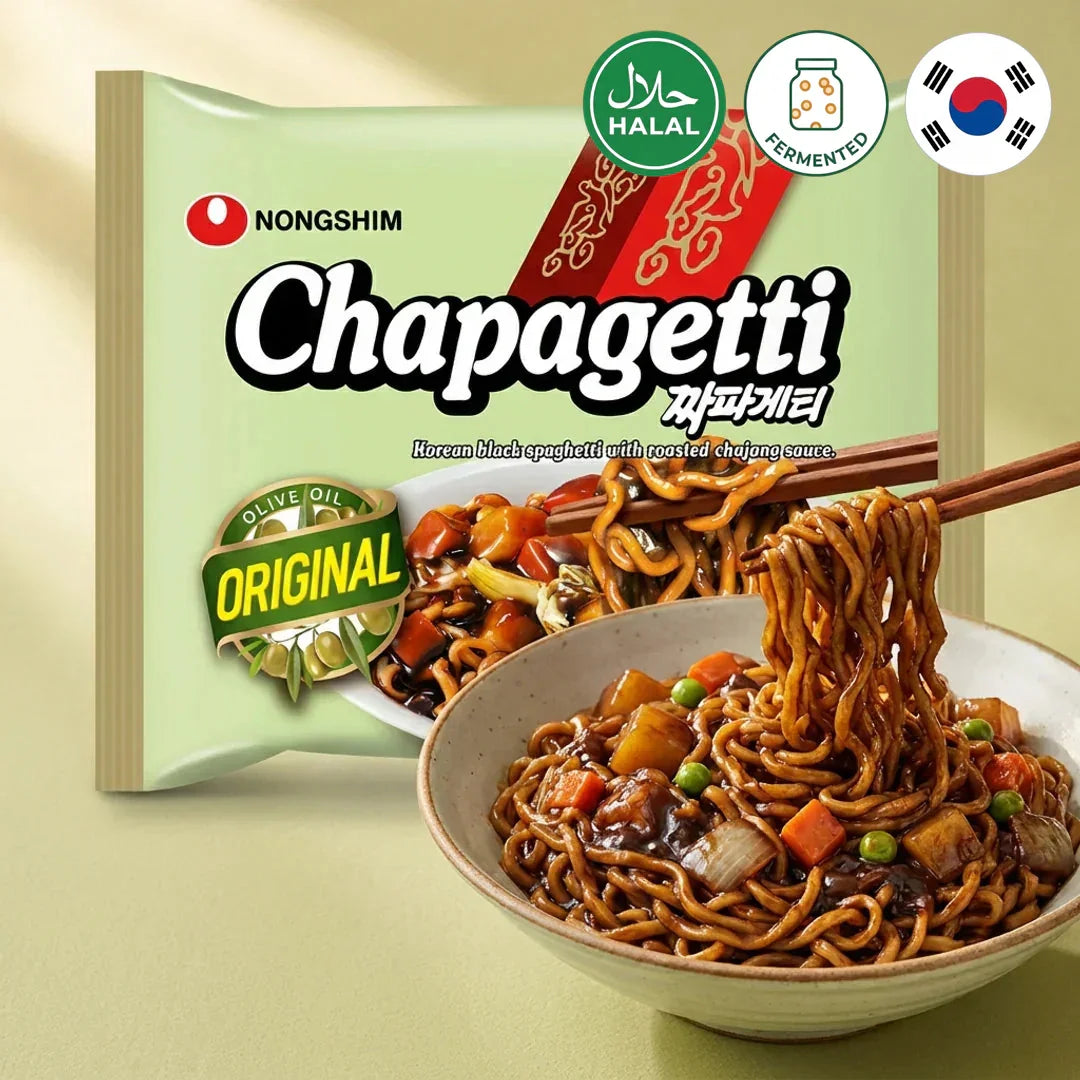
 Sempio Soup Soy Sauce (Guk-ganjang), 860 ml4.95 €Shop
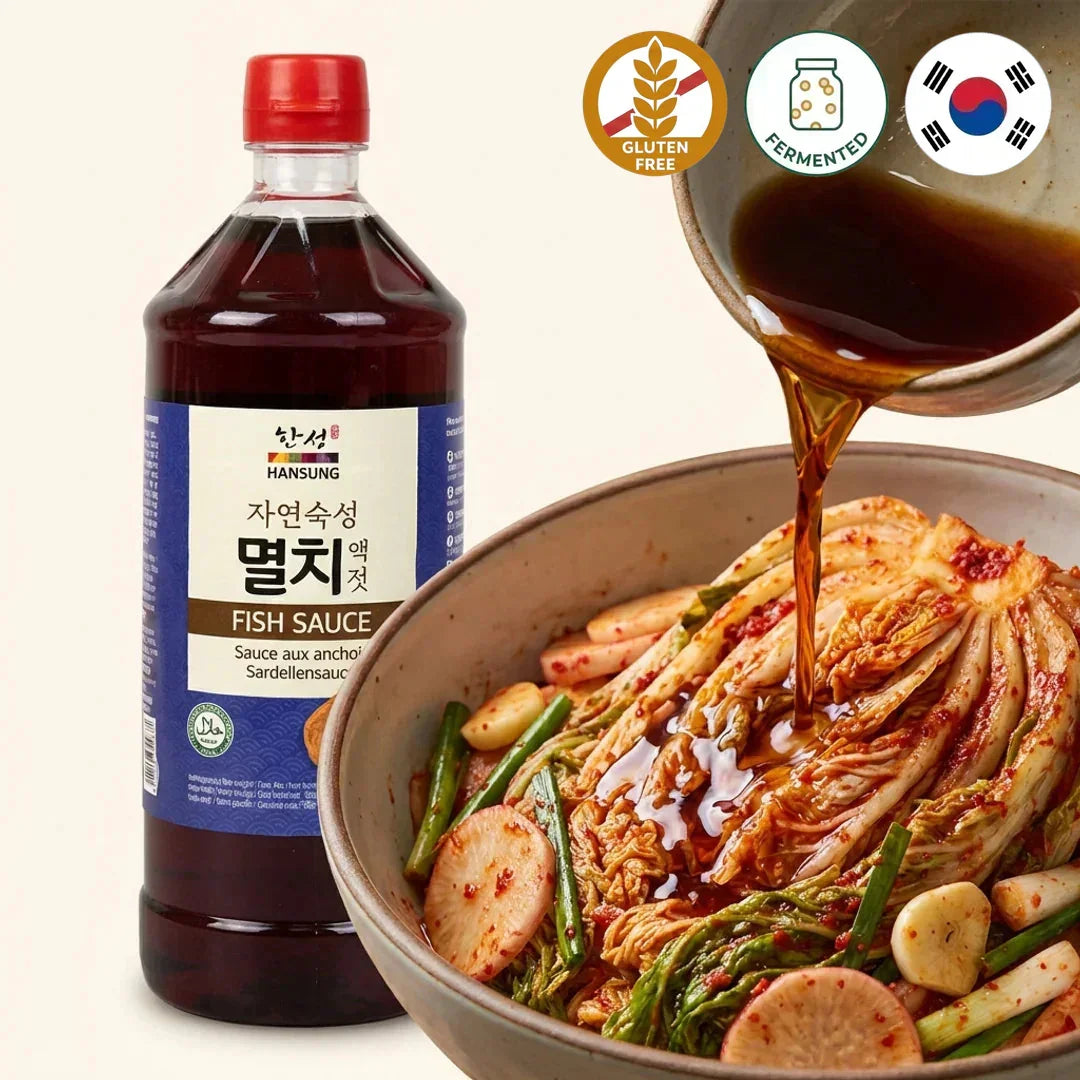
 Hansung Anchovy Fish Sauce, 870 ml6.95 €Shop
 Chung Jung One Savoury & Mild Ssamjang, 170 g2.29 €Shop
 CJ Beef Dashida Stock Powder, 300 g6.50 €Shop
 CJ Hetbahn Cooked White Rice, 210 g2.10 €Shop
 Sempio Cooking Essence Yeondu, 275 ml7.50 €Shop
 Sempio Summer Snowflake Sea Salt, 500 g3.95 €Shop

Doenjang Jjigae (Korean Soybean Paste Stew)
By: DotAsia Kitchen
Prep: 10 min·Cook: 20 min·Total: 30 min
Main course·Korean cuisine·Servings: 2
★★★★★A DotAsia house recipe
Our home-style doenjang jjigae recipe: a savoury Korean soybean stew with tofu and vegetables, ready in 30 minutes. Spice level: mild — leave out the chilli for none at all.
Ingredients
Broth
Stew
To serve
Method
- Bring 700 ml of water to the boil in a medium pot. Drop in the stock coin and stir until fully dissolved, about 2 minutes.
- Add the doenjang and press it against a ladle or through a small sieve until no lumps remain. Keep the heat high.
- Add the potato and onion. Boil hard, uncovered, for 5 minutes.
- Tip in the courgette and mushrooms. Boil for another 4 minutes until the potato is nearly tender.
- Stir in the garlic, soup soy sauce, fish sauce and gochugaru. Taste and adjust — brands of doenjang vary in saltiness.
- Slide the tofu cubes in gently. Simmer for 3–4 minutes without stirring roughly, so they stay whole.
- Scatter over the green chilli and spring onion. Boil for 1 final minute.
- Bring the pot straight to the table with bowls of hot rice. Spoon the stew over the rice as you eat.
Notes
- Vegetarian or vegan? Skip the stock coin and fish sauce; simmer a strip of kelp and a few dried shiitake in the water instead.
- For a meaty version, brown 100 g of thinly sliced beef or pork belly in the pot with a little sesame oil before adding the water.
- No stock coin? A teaspoon of beef dashida stock powder dissolved in the water is the classic Korean shortcut.
- For extra roundness without more salt, add a small squeeze of Yeondu cooking essence at the end.
- Maangchi's version in the video uses rice-washing water for her broth — a lovely traditional touch if you're cooking rice from scratch anyway.
- Leftovers keep for 3 days in the fridge and taste even better reheated; boil thoroughly before serving.
Nutrition (per serving, approx.): Calories 210 kcal · Protein 14 g · Carbs 20 g · Fat 9 g
Did you make this recipe?
We love seeing your dishes — tag us on Instagram @dotasia.eu
Frequently asked questions
What is doenjang jjigae?
Doenjang jjigae is Korea's everyday stew made from fermented soybean paste (된장), typically with tofu, courgette, potato and onion in an anchovy broth. It's the savoury, mild counterpart to spicy kimchi jjigae, and Koreans eat it year-round, usually served bubbling hot in a stone pot alongside rice.
Can I make doenjang jjigae vegetarian or vegan?
Yes, easily. Replace the anchovy stock with a broth of dried kelp and shiitake mushrooms, and leave out the fish sauce. Doenjang itself is plant-based, so the stew stays deeply savoury. Add extra mushrooms and tofu for body, and season with soup soy sauce to taste.
Can I add beef or pork to doenjang jjigae?
Absolutely — both are classic variations. Brown 100 g of thinly sliced beef brisket or pork belly in the pot with a drop of sesame oil before adding the water. The rendered fat enriches the broth noticeably. Beef doenjang jjigae is especially popular in Korean home cooking.
Can I use miso instead of doenjang?
Only in an emergency, and the result will taste different. Miso is sweeter, smoother and turns bitter when boiled, whereas doenjang is chunkier, funkier and improves with hard boiling. If you must substitute, use a dark red miso, reduce the boiling time and expect a gentler stew.
Get your Korean pantry sorted
Every ingredient in this stew ships from our warehouse across Spain, Portugal and the EU — stock up once and cook Korean all month.
Shop all products


