




Jump toRecipeVideoStep by step
This kimbap recipe turns a handful of everyday ingredients into glossy, picture-perfect Korean rice rolls. Each slice packs seasoned rice, savoury beef, sweet carrot and crunchy pickled radish. And here's the twist: there's no vinegar in sight — kimbap plays by very different rules to sushi.

Why this kimbap recipe works every time
Most people worry about one thing: the roll falling apart on the chopping board. We understand. Loose rice, torn seaweed, fillings sliding out — we've been there too. However, the fix is not talent. It's technique. This kimbap recipe uses slightly warm rice, a thin and even rice layer, and a firm two-handed roll. Follow those three points and your rolls will hold like a dream. Furthermore, every filling here is forgiving. The beef is pre-marinated, the egg is a simple omelette, and the vegetables need only minutes in the pan. Nothing requires raw fish, special knives or restaurant skills. If you can spread rice on seaweed, you can make kimbap (김밥) tonight.
This post teaches you two secrets that separate wobbly rolls from proper Korean ones. First: season the rice with sesame oil and salt, never vinegar. That single swap gives kimbap its nutty, savoury character. Second: brush the finished roll with sesame oil before slicing. Consequently, the seaweed turns glossy, the knife glides through cleanly, and every round stays intact. We'll also show you our favourite shortcut — a ready-made bulgogi marinade that delivers deep, sweet-savoury beef in under five minutes. Read on, because this kimbap recipe is easier than you think.

What is kimbap?
Kimbap (김밥) literally means "seaweed rice" — gim is the dried seaweed sheet, bap is rice. It's Korea's classic picnic and lunchbox food, rolled by mums at dawn before school trips and sports days. Unlike sushi, the rice carries no vinegar. Instead, it's seasoned with sesame oil and salt, so the flavour is warm and nutty rather than sharp. Fillings are always cooked or pickled: bulgogi beef, egg, carrot, spinach, fish cake and the essential crunchy yellow radish, danmuji (단무지). Across Korea, you'll find it everywhere from convenience stores to grandmothers' kitchens.
What you need for this kimbap recipe
Short-grain rice is essential — it's sticky enough to hold the roll together. Beyond that, you need gimbap-grade seaweed sheets, sesame oil, and a rainbow of fillings. Don't panic about danmuji; any Asian grocer stocks it, and a strip of cucumber works in a pinch. Meanwhile, our pre-made marinade and fish cake do the heavy lifting on flavour.
- : The honest shortcut. Three microwaveable packs give you perfectly sticky short-grain rice in four minutes, no rice cooker required.
- : Sweet, garlicky and savoury in one bottle. Toss it through beef strips and the classic kimbap filling is done.
- : Sliced into ribbons and briefly stir-fried, it adds a gentle bouncy chew that Koreans expect in a proper roll.
- : A pinch seasons the rice and the carrot evenly — it dissolves faster than flaky salt.
- : Both from your local Asian shop. Use full-size roasted gim, not snacking seaweed.

Technique and common mistakes
The make-or-break moment is the rice layer. Spread roughly 150 g of warm rice over two-thirds of the seaweed sheet, leaving a 4 cm bare strip at the top. Keep the layer thin — you should almost see the seaweed through it. Then stack the fillings in a tight line across the centre. When you roll, lift the mat edge over the fillings, tuck firmly, and squeeze along the whole length before continuing. That first tuck decides everything. Roll loosely and the slices gape; tuck confidently and they hold beautifully.
- Warm rice, not hot: Scorching rice steams the seaweed soggy, while cold rice won't stick. Lukewarm is the sweet spot.
- Dry fillings only: Squeeze the spinach hard and drain the radish. Because moisture is the enemy, wet fillings burst rolls.
- Oil the knife: Wipe the blade with a sesame-oiled cloth between cuts. Consequently, every slice comes out clean and glossy.
Tip: Seal the seam with a few crushed grains of rice, then rest the roll seam-side down for two minutes before slicing.
Step by step, in photos


What to serve with kimbap
In Korea, kimbap rarely travels alone. A picnic spread usually pairs it with something spicy or something crunchy — ideally both. At home, we serve the rolls with a small bowl of kimchi and a hot dip of soup. For a proper bunsik (snack-bar) experience, however, add fried seaweed rolls and a plate of cold spicy noodles. The contrast of cool rice rolls and fiery noodles is legendary for good reason.
- seaweed roll tempura — Crispy fried kimmari is kimbap's street-stall best friend — bake or air-fry from frozen in ten minutes.
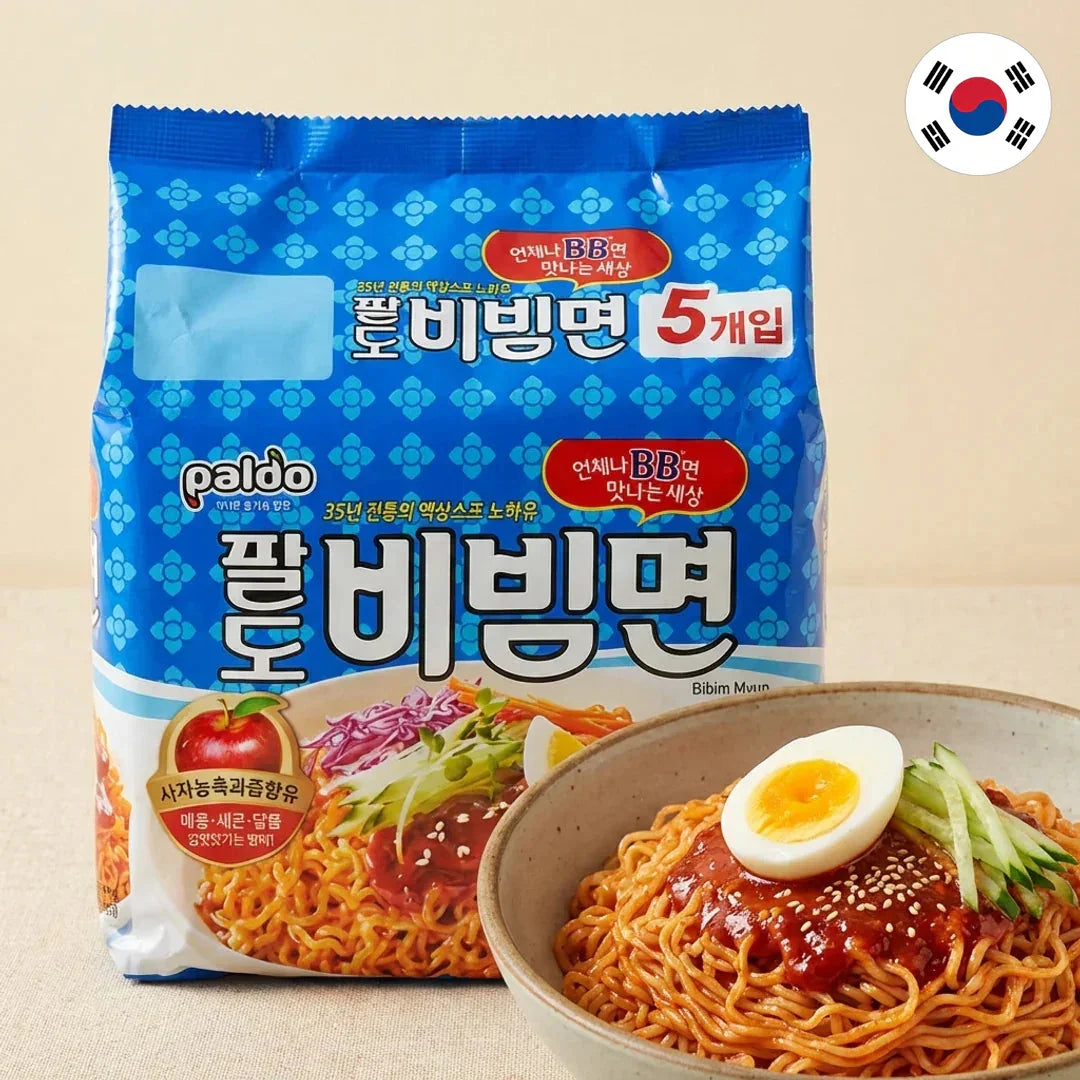
- Paldo bibim noodles — Cold, sweet-spicy noodles cut through the rich sesame rice perfectly. A classic Korean pairing.
Roll a batch this weekend, pack it into a lunchbox, and taste why Koreans get misty-eyed about school picnics. — DotAsia Kitchen x
More Korean recipes

How it’s made, on video
Shop the ingredients
In stock · shipping across Europe
 CJ Hetbahn Cooked White Rice 210 g2.10 €Shop
 Beksul Beef Bulgogi Marinade 290 g2.90 €Shop
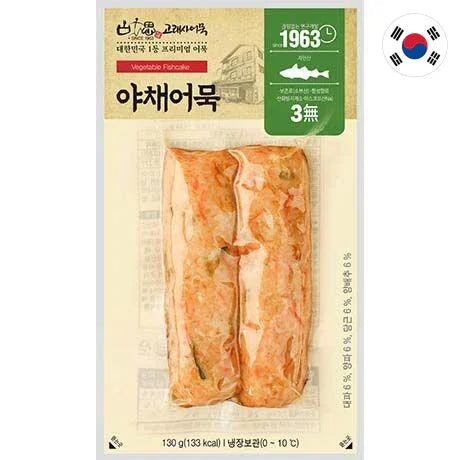
 Goraesa Vegetable Square Fish Cake 300 g (Frozen)6.50 €Shop
 Chung Jung One Miwon Seasoned Salt 500 g3.49 €Shop
 Sempio Soup Soy Sauce 860 ml4.95 €Shop
 Saongwon Seaweed Roll Tempura 300 g (Frozen)6.50 €Shop
 Paldo Bibim Noodles Multipack (5 Pack)7.45 €Shop
 CJ Beef Dashida 300 g6.50 €Shop

Classic Kimbap (Korean Rice Rolls)
By: DotAsia Kitchen
Prep: 30 min·Cook: 20 min·Total: 50 min
Main course / Lunch box·Korean cuisine·Servings: 4
★★★★★A DotAsia house recipe
Our classic kimbap recipe with bulgogi beef, egg, vegetables and sesame-seasoned rice — four generous rolls in under an hour. Spice: none.
Ingredients
Rice
Fillings
Assembly
Method
- Fold the sesame oil, seasoned salt and sesame seeds through the warm rice with a paddle. Cover and set aside — it should stay lukewarm, not hot.
- Drop the spinach into boiling water for 30 seconds, then rinse cold and squeeze bone dry. Toss with the soup soy sauce and a drop of sesame oil.
- Pour the beaten eggs into a lightly oiled pan over medium heat. Cook a thin omelette for 2 minutes, flip, then slice into 1 cm strips.
- Stir-fry the julienned carrot with a pinch of salt for 90 seconds until just softened. Transfer to a plate to cool.
- Sizzle the beef with the bulgogi marinade over high heat for 3–4 minutes until glossy and cooked through. Drain any excess liquid and cool slightly.
- Toss the fish cake strips in the same pan for 1 minute with a teaspoon of the leftover marinade. Set aside.
- Lay one gim sheet shiny-side down on a bamboo mat. Spread 150 g of rice thinly over two-thirds, leaving 4 cm bare at the top edge.
- Arrange beef, egg, carrot, spinach, fish cake and one danmuji strip in a tight row across the centre of the rice.
- Lift the mat over the fillings, tuck firmly, then roll to the end while squeezing. Seal the seam with a few crushed rice grains and rest seam-side down.
- Brush each roll with sesame oil, then slice into 1.5 cm rounds with an oiled knife. Finally, sprinkle with sesame seeds and serve.
Notes
- Tuna version :: Swap the beef for a drained tin of tuna mixed with 2 tbsp mayonnaise and a pinch of black pepper — Korea's second-favourite filling.
- Vegan version :: Skip the beef, egg and fish cake. Instead, add pan-fried seasoned tofu, avocado and extra spinach.
- Extra savoury carrot :: Add a small pinch of beef dashida to the carrot while frying for a deeper, stock-like note.
- Video variation :: Maangchi seasons her beef from scratch; our bulgogi marinade shortcut gives the same sweet-savoury result in one step.
- Storage :: Kimbap is best the day it's made. Refrigerated rice hardens, so revive leftover slices by dipping them in beaten egg and pan-frying.
Nutrition (per serving, approx.): Calories 470 kcal · Protein 19 g · Carbs 63 g · Fat 15 g
Did you make this recipe?
We love seeing your dishes — tag us on Instagram @dotasia.eu
Frequently asked questions
Is kimbap the same as sushi?
No — they're different dishes. Kimbap uses rice seasoned with sesame oil and salt, while sushi rice is dressed with vinegar and sugar. Additionally, kimbap fillings are always cooked or pickled, never raw fish. The result tastes warm and nutty rather than tangy, and it's built for lunchboxes, not raw-fish counters.
Can I make kimbap with tuna?
Yes, and it's hugely popular in Korea. Mix a drained tin of tuna with mayonnaise and a little black pepper, then roll it with the usual vegetables. Chamchi kimbap (tuna kimbap) is a convenience-store bestseller. For extra crunch, add a perilla or lettuce leaf around the tuna to keep the rice dry.
Why does my kimbap fall apart?
Usually because the rice layer is too thick or the roll was too loose. Spread the rice thinly, leave a bare strip of seaweed to seal, and squeeze firmly on the first tuck. Also, always slice with an oiled knife; a dry blade drags the seaweed and tears the roll open.
Do I need a rice cooker for kimbap?
Not at all. Microwaveable cooked rice packs work brilliantly — heat three packs, season while warm, and you're rolling within five minutes. Alternatively, simmer short-grain rice on the hob with a 1:1.1 rice-to-water ratio. The only rule is short-grain: long-grain rice simply won't hold the roll together.
Ready to roll?
We ship every kimbap essential — from cooked rice to bulgogi marinade — straight to your door across Spain, Portugal and the EU.
Shop all products


