02/03/2027
OUT OF STOCK
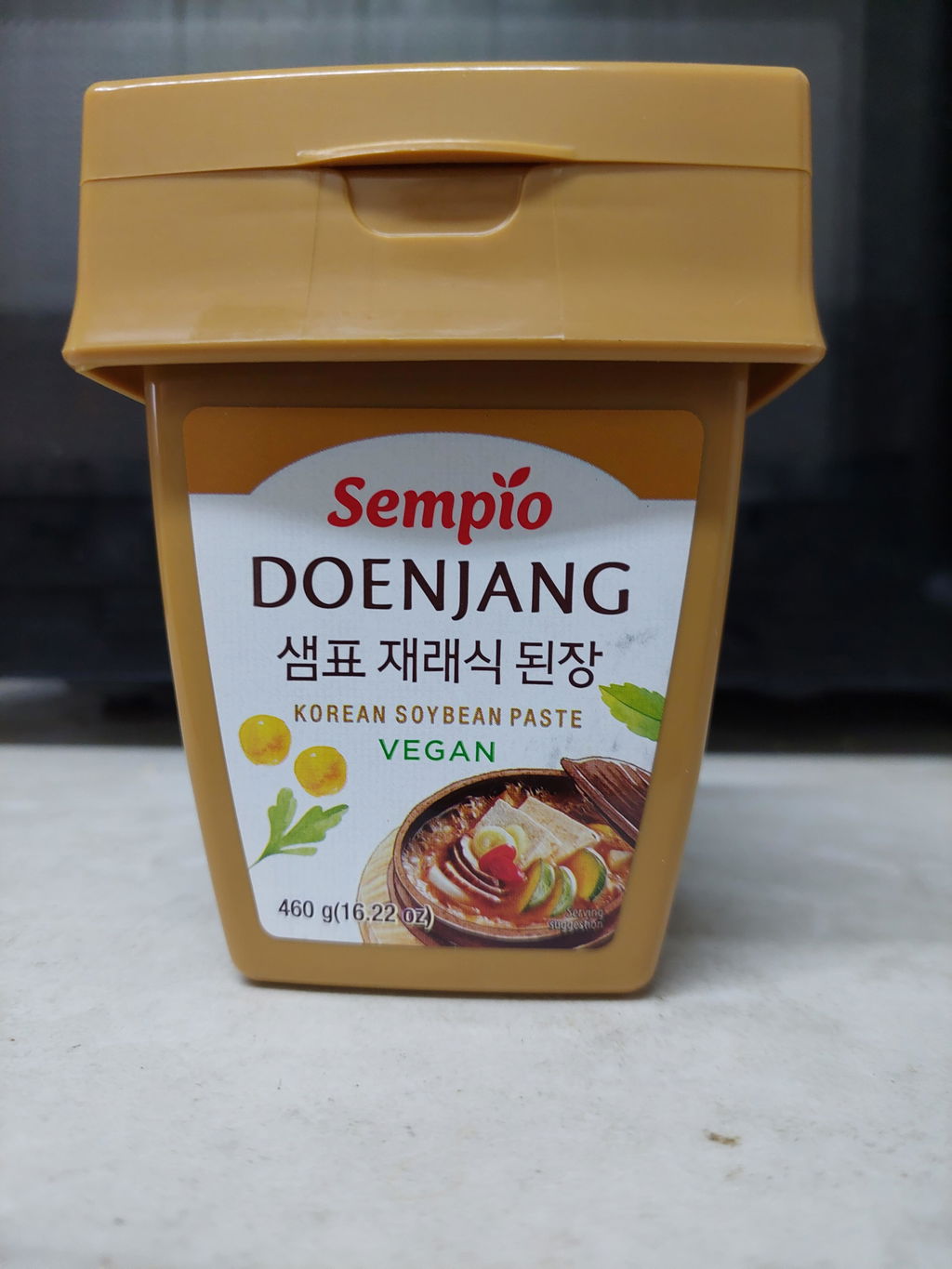
Authentic Korean Fermented Food · Authentic Korean Fermented Soybean Paste
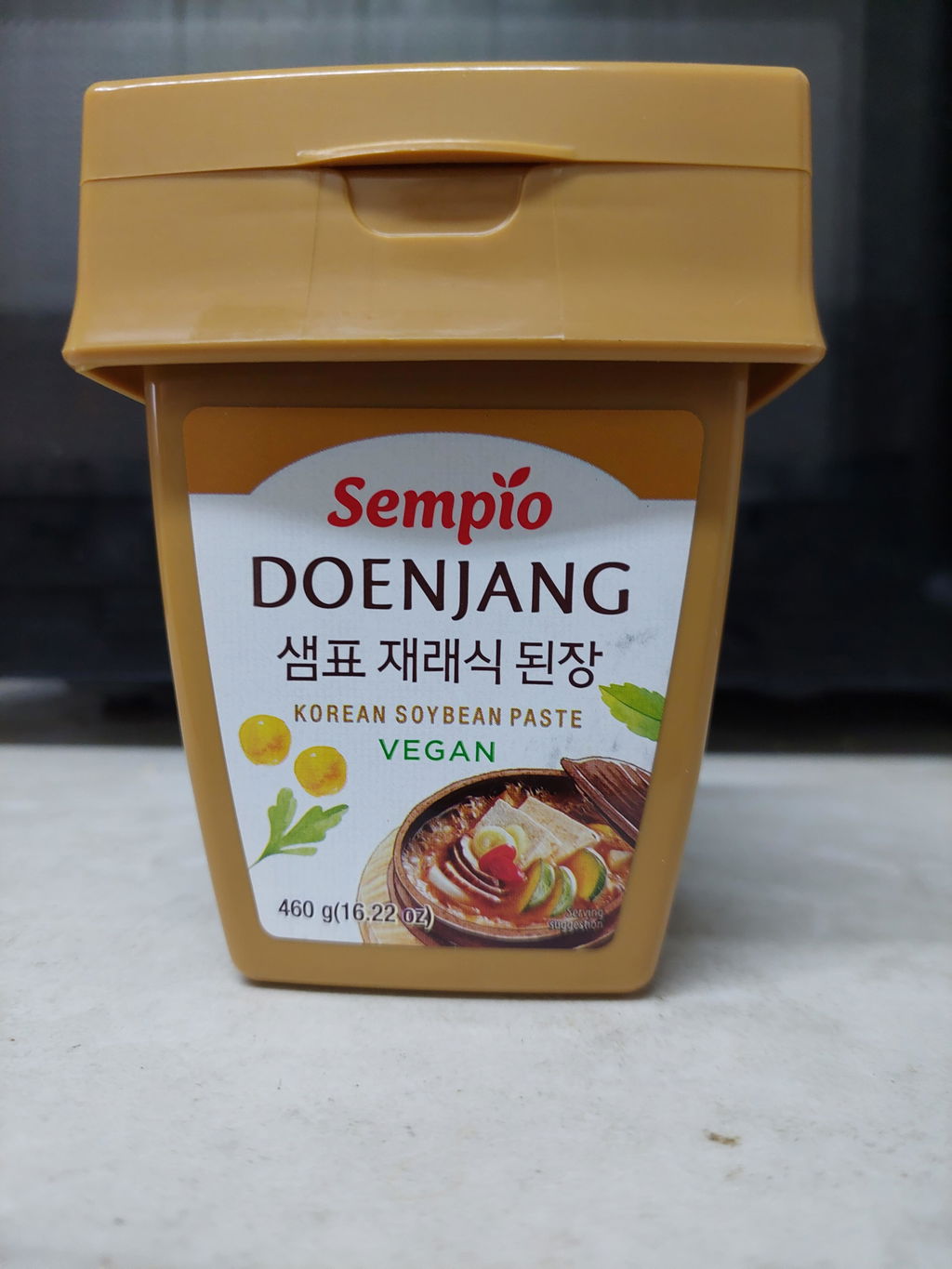
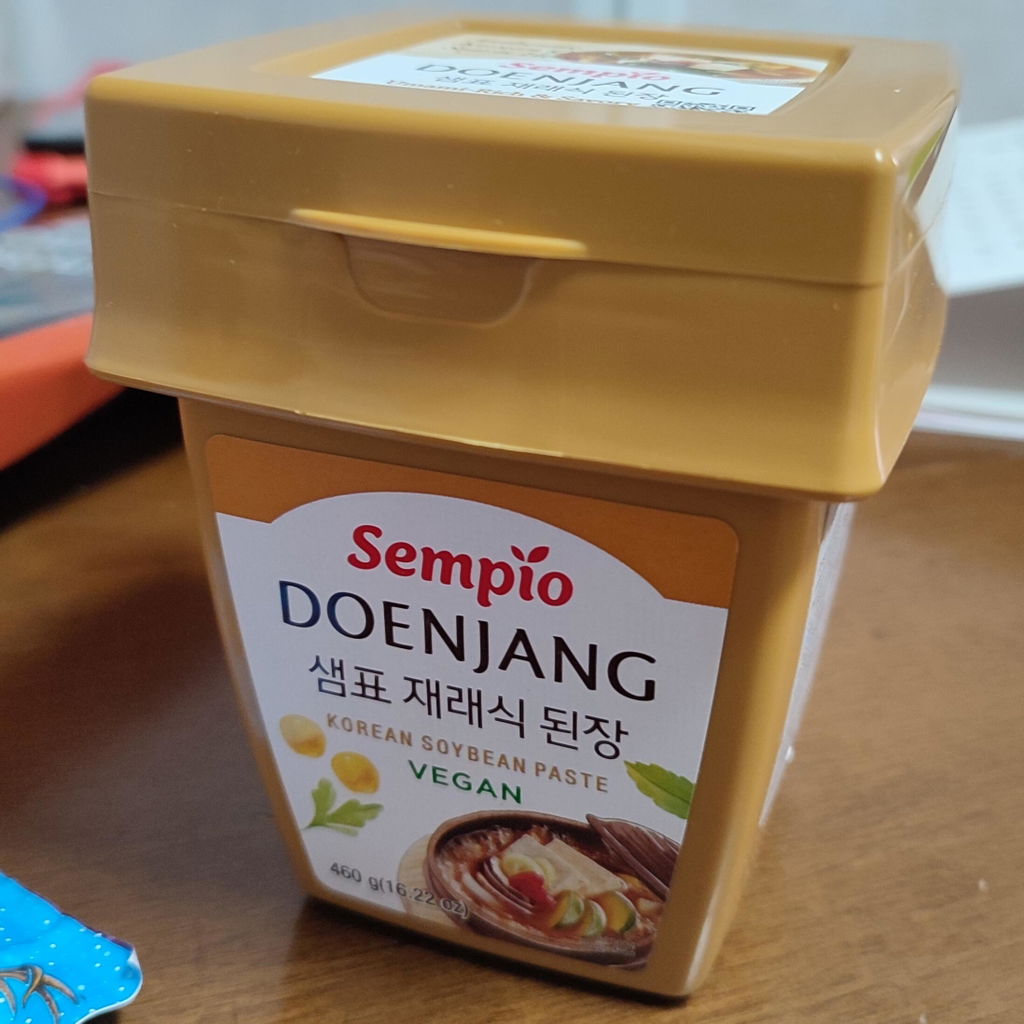
Doenjang is the cornerstone of the Korean table — a traditionally fermented soybean paste crafted by combining cooked soybeans with koji starter and allowing them to naturally ferment and age over an extended period. The result is a deeply savory, umami-rich paste used as the essential base for jjigae (stew), guk (soup), and ssamjang (dipping sauce) in Korean cuisine. Much like aged European cheese or sauerkraut, every spoonful carries the complex, time-crafted depth that only slow fermentation can produce.
※ Nutrition declaration per EU Regulation 1169/2011 · Source: Sempio official data
※ Bold ingredients (soybeans, wheat) are among the 14 EU mandatory allergens.
This product contains the following EU mandatory allergens (Regulation 1169/2011):
1. What is Jaeraesik (Traditional Style)? "Jaeraesik (在來式)" refers to Doenjang made using a traditional method passed down in Korea for hundreds of years. Cooked soybeans are mashed and shaped into meju (fermented soybean blocks), which are then submerged in brine made with sea salt and left to naturally ferment and age through the changing temperatures and humidity of all four seasons. Sempio's Traditional Doenjang faithfully recreates this heritage process in accordance with modern hygiene standards.
2. The Science of Fermentation When koji starter (Aspergillus oryzae) acts on soybeans, the soy proteins are slowly broken down into amino acids, developing a deep, rich umami flavour. This process requires several months of aging — the longer the fermentation, the darker the colour and the more concentrated the flavour. In Korea, well-aged Doenjang is considered especially prized.
3. A Connection to European Fermented Foods Like aged French cheese, German sauerkraut, or Italian balsamic vinegar — Doenjang is a fermented food shaped by time. Microorganisms slowly transform raw ingredients into a complex flavour profile that simple soybeans alone could never achieve. In this way, Doenjang shares the same roots as Europe's own traditions of artisan fermentation.
The most beloved ways to enjoy Doenjang in Korean households — experience the flavour exactly as it was meant to be.
Sempio has been a leading guardian of Korea's jang (fermented paste) culture since 1946. dotAsia delivers the authentic flavours of Korean fermentation — crafted by time — directly to homes across Europe.
Sempio Traditional Doenjang is a naturally fermented Korean soybean paste made by aging cooked soybeans in brine using a traditional method. While it may look similar to Japanese miso, the two differ significantly in fermentation process and flavour. Doenjang has a stronger, deeper umami character and a more complex, pungent aroma than miso. Much like aged blue cheese or a long-matured wine, Doenjang develops its distinctive, rich flavour profile through an extended fermentation process. It has been a cornerstone seasoning in Korean cuisine for hundreds of years.
Yes, this product contains allergens that must be declared under EU food labelling law (Regulation 1169/2011). Specifically, it contains gluten (wheat flour) and soybeans. Individuals with a wheat or gluten allergy, or a soybean allergy, should exercise caution before consuming this product. Please note that this product also contains a small amount of alcohol (brewing alcohol) and is therefore not entirely alcohol-free. If you have any allergies or specific dietary restrictions, please check the ingredient list carefully before consumption.
The vegan and vegetarian suitability of this product has not been officially confirmed at this time. The ingredient list may include a seafood seasoning component, so individuals following a strict vegan or vegetarian diet are advised to contact the manufacturer (Sempio) directly for precise ingredient information on the export version, or to reach out to dotasia.eu customer service for clarification before purchasing. We are currently unable to confirm this product as suitable for vegan or vegetarian diets.
Yes, Sempio Traditional Doenjang contains approximately 11.1g of salt (roughly 4,370mg sodium) per 100g, which is relatively high. This is a natural characteristic of traditionally fermented Doenjang, as sea salt plays a preservative role during the fermentation process. We therefore recommend using it in small quantities when preparing Doenjang-jjigae, Doenjang-guk, or marinades, and minimising any additional salt seasoning. Those following a low-sodium diet or managing blood pressure should adjust their usage accordingly. Thanks to its intense flavour, even a small amount of Doenjang delivers a satisfying depth of taste.
Before opening, Sempio Traditional Doenjang can be stored at room temperature in a cool place away from direct sunlight. Once opened, transfer to an airtight container and refrigerate (below 4°C), ensuring the lid is tightly sealed after each use. When refrigerated, the product can maintain its quality for several months. As a traditionally fermented food with a high salt content, Doenjang has a relatively long shelf life; however, always check the best-before date and any post-opening use-by guidance on the product label. A white surface mould may occasionally appear as a natural result of the fermentation process, but if you notice an unusual odour or significant discolouration, discontinue use.
잘받았어요 감사합니다
재래식 된장이라 맛도 진하고 좋네요!
드디어 된장찌개를 끓여먹을 수 있게 되었네요
Great 👍
Sign up for early Sale access plus tailored new arrivals, trends and promotions. To opt out, click unsubscribe in our emails
Please select your shipping country.
Buy from the country of your choice. Remember that we can only ship your order to addresses located in the chosen country.