



Jump toRecipeVideoStep by step
This mandu recipe gives you golden, crackly Korean dumplings with a juicy pork and kimchi filling. We use ready-made wrappers, so the fiddly part is already done for you. And there is one pan trick that turns good dumplings into great ones.

Why this mandu recipe works every time
Most homemade dumplings fail for one boring reason: a wet filling. The kimchi leaks, the wrapper turns soggy, and the seams burst in the pan. Our mandu recipe fixes that before you even pick up a wrapper. We squeeze the kimchi hard, press the tofu, and season the pork so it stays juicy without flooding. The result holds its shape, seals cleanly, and fries without drama. You do not need a bamboo steamer. You do not need to roll dough. One non-stick pan and thirty minutes of easy folding will do it. We have made these hundreds of times for tastings, so every quantity below has been argued over and tested.
This post teaches you two secrets. First, the filling squeeze: how dry your kimchi and tofu need to be, and how to check. Second, the fry-steam-fry method. You crisp the base, add a splash of water, cover, and finish uncovered. Consequently, you get a shattering bottom and a tender, steamy top in one pan. Master those two things and this becomes your back-pocket mandu recipe for weeknights, freezer batches and Lunar New Year alike. We also cover mandu-guk (만둣국), the soothing dumpling soup, because leftovers deserve a second life.

What is mandu?
Mandu (만두) is the Korean word for dumplings: seasoned filling wrapped in a thin dough skin, then steamed, boiled or pan-fried. The dish arrived on the peninsula centuries ago along trade routes, and records place it in Goryeo-era Korean cooking. Today it is everyday food. Korean families fold huge batches together before Lunar New Year, freeze them, and drop them into soup all winter. Pan-fried, they become gun-mandu (군만두); simmered in broth, mandu-guk (만둣국). Every household seasons the filling slightly differently, which is half the charm.
What you need for this mandu recipe
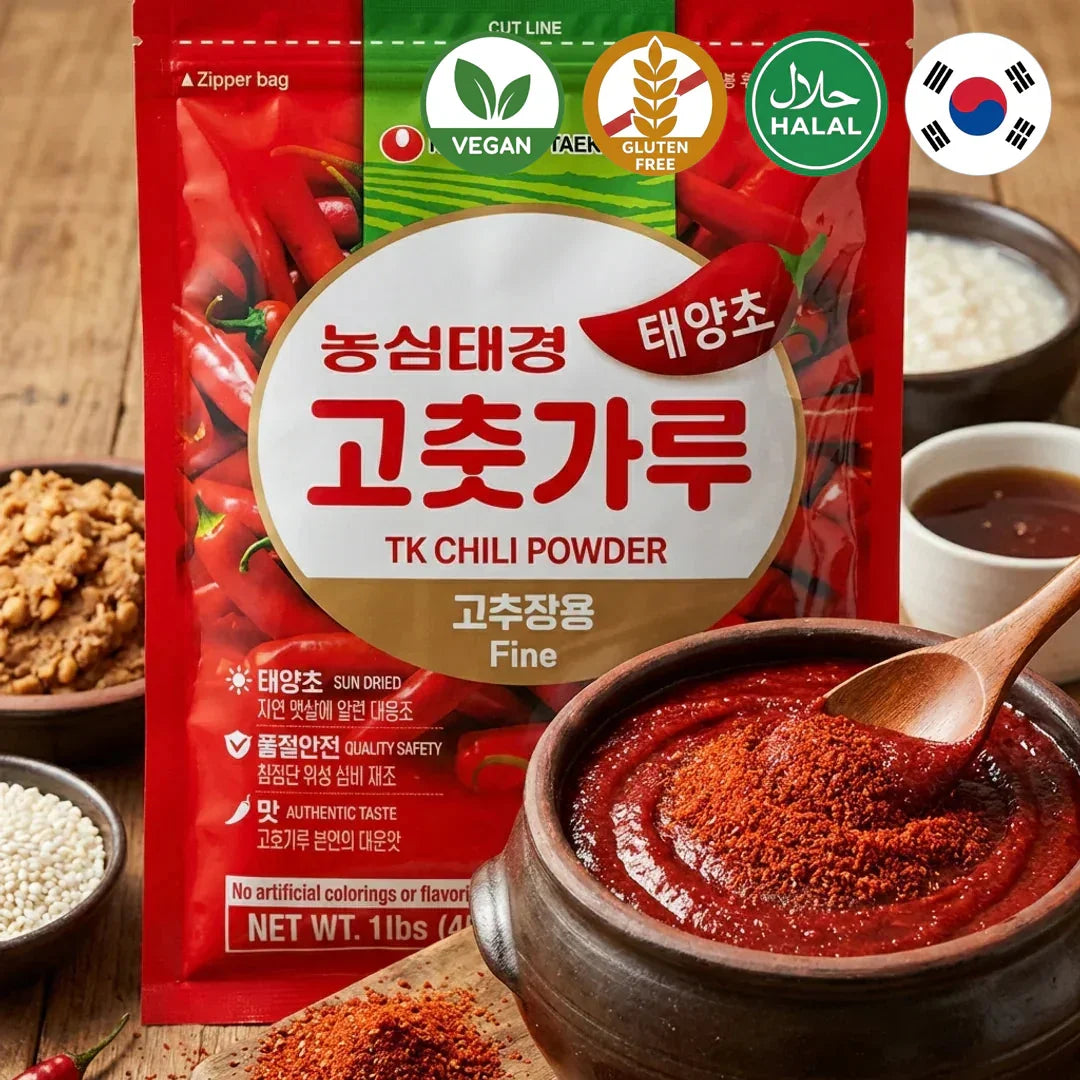
The filling is pork mince, tofu, kimchi and aromatics — nothing exotic. Ready-made wrappers save you an hour of rolling. No pork? Swap in chicken or beef mince gram for gram. For a vegetarian version, double the tofu and add soaked glass noodles. The dipping sauce needs just soy sauce, vinegar and sesame oil.
- : chewy, slightly translucent skins that crisp beautifully — the shortcut that makes this doable on a weeknight
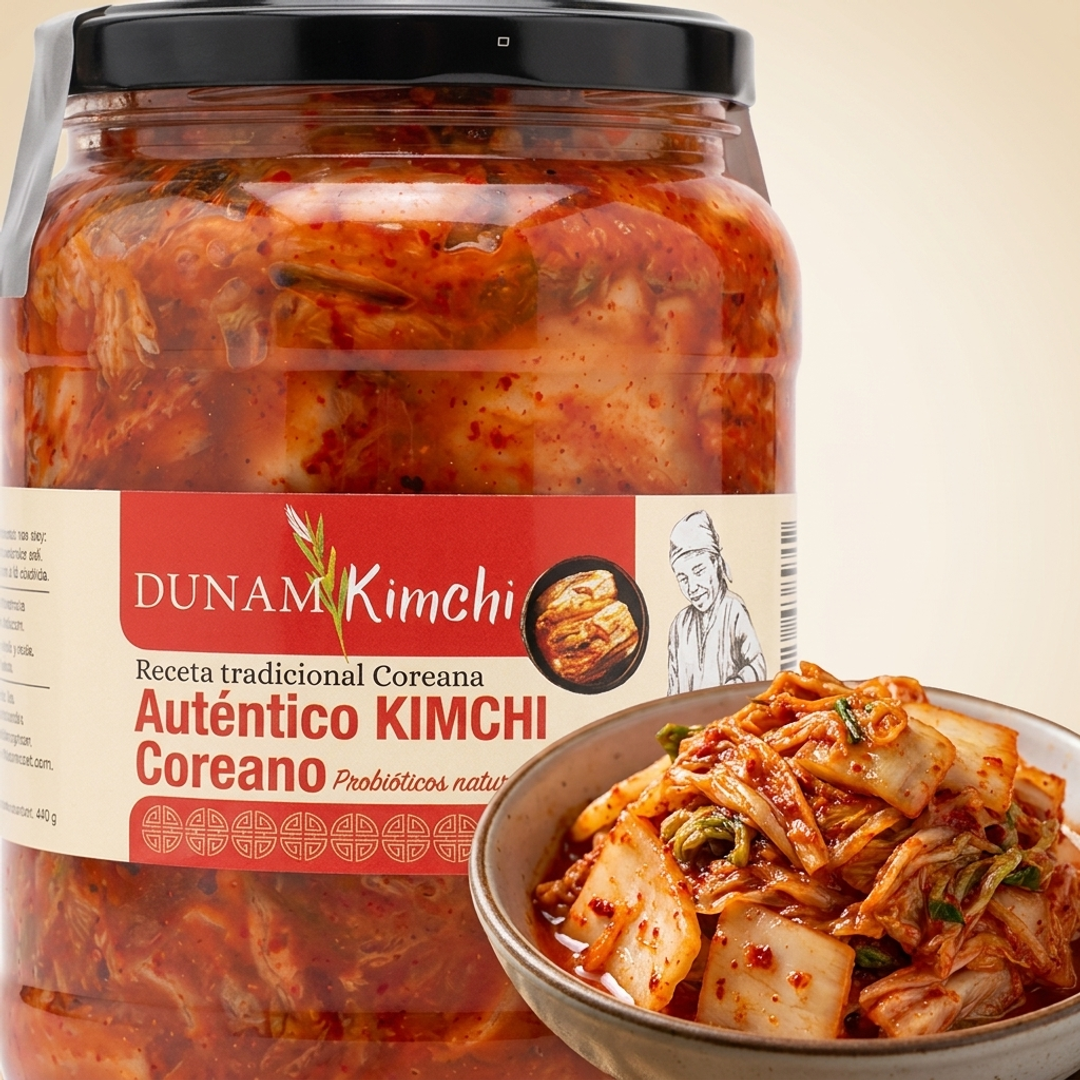
- : brings tang, crunch and gentle heat to the filling; squeeze it very well before chopping
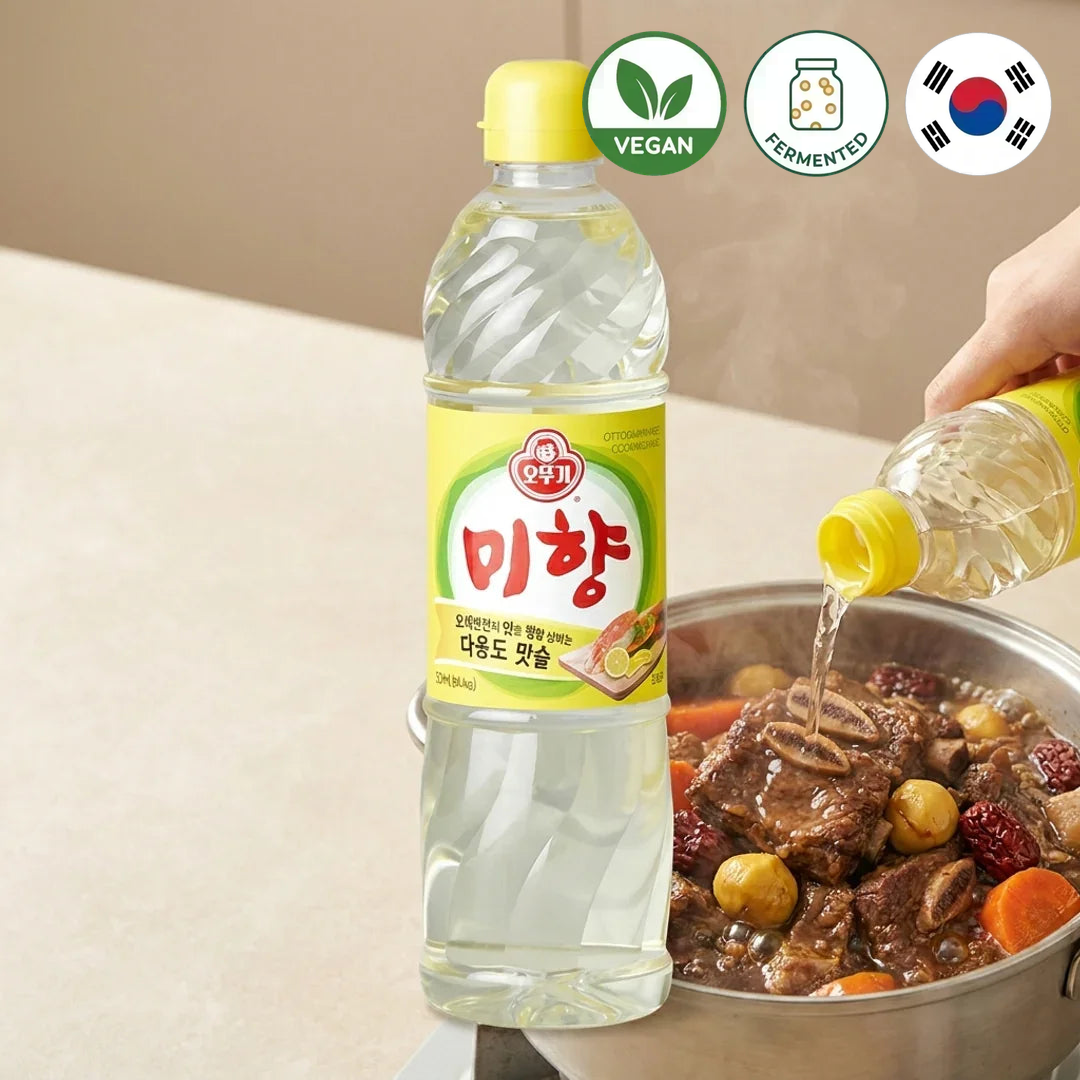
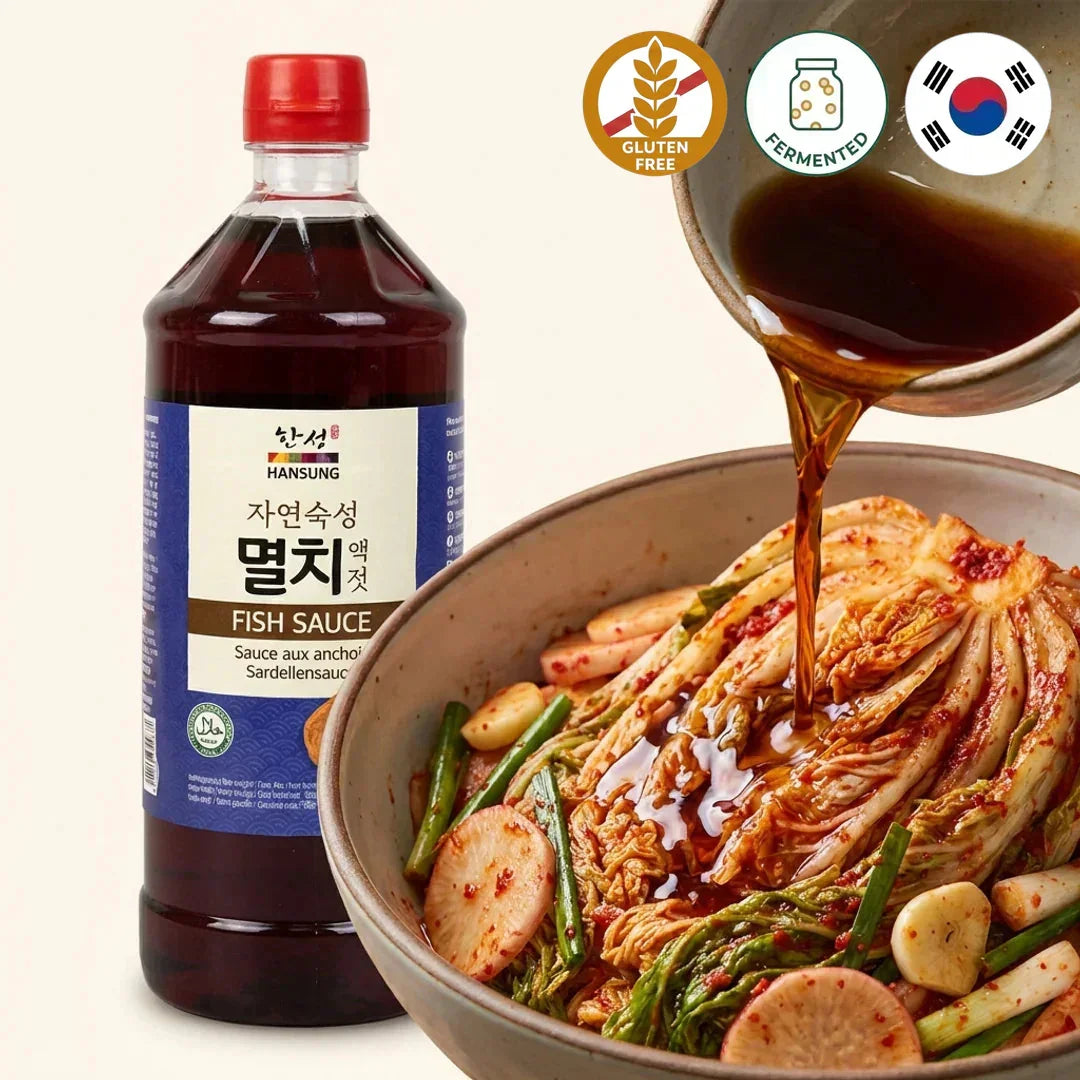
- : one spoonful deepens the pork flavour without tasting fishy
- : the backbone of the dipping sauce — mellow, not harsh
- : fat keeps the filling juicy; tofu keeps it light and tender

Technique and common mistakes
The fry-steam-fry method is the heart of this mandu recipe. Heat a thin film of oil in a non-stick pan. Fry the dumplings flat-side down until the bases turn deep gold — do not rush this. Then pour in a splash of water and clamp the lid on immediately. The steam cooks the filling and softens the tops. Finally, remove the lid and let the last water hiss away, so the bases re-crisp. Listen for it: the bubbling turns to a dry sizzle. That sound means they are ready.
- Squeeze everything: Wring kimchi and tofu in a clean cloth until almost no liquid drips. Wet filling bursts wrappers.
- Do not overfill: One level tablespoon per wrapper. Greedy dumplings split at the seams, every single time.
- Seal with water: Wet the full rim with a fingertip before pleating. Consequently, the seam fuses instead of gaping open.
Tip: Freeze folded mandu on a tray until solid before bagging — they will never stick together.
Step by step, in photos


What to serve with mandu
Pan-fried mandu with dipping sauce is a complete snack, but it becomes dinner with a bowl of rice and a pile of kimchi. Alternatively, simmer a batch in anchovy or beef broth for mandu-guk. Add sliced rice cakes and you have tteok-mandu-guk (떡만둣국), the dish Koreans eat on New Year's Day. Either way, make more than you think you need.
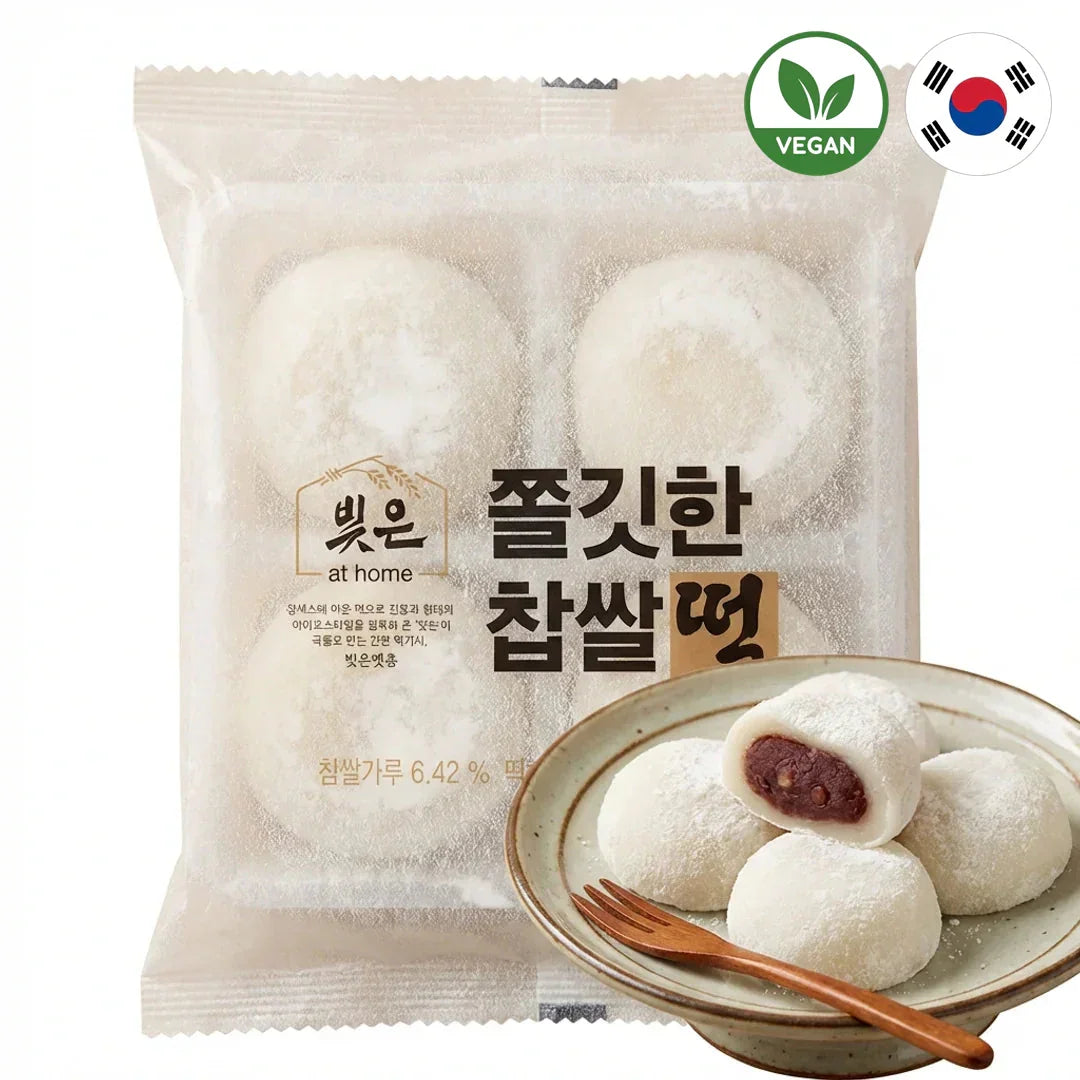
- Sliced rice cakes for soup — drop them into broth with your mandu for proper tteok-mandu-guk
- Microwave cooked rice — ready in two minutes, and it turns a plate of dumplings into a full meal
Fold a big batch on Sunday, and future you will be very grateful. — DotAsia Kitchen x
More Korean recipes

How it’s made, on video
Shop the ingredients
In stock · shipping across Europe
 Bibigo Pork Gyoza Dumplings 600g (frozen)8.59 €Shop
 Bibigo Beef Bulgogi Gyoza Dumplings 600g (frozen)9.99 €Shop
 Bibigo Vegan Japchae Steamed Dumplings 168g (frozen)3.99 €Shop
 Samlip Chive Dumplings 675g (frozen)7.60 €Shop
 Samlip Japchae Fried Dumplings 900g (frozen)11.50 €Shop
 Chilgab Glutinous Rice Mandu Wrappers 150g (frozen)1.99 €Shop
 Bibigo Kimchi Spring Rolls 250g (frozen)3.69 €Shop
 CJ Bibigo Room-Temperature Kimchi 150g2.89 €Shop

Pork & Kimchi Mandu (Korean Dumplings)
By: DotAsia Kitchen
Prep: 40 min·Cook: 20 min·Total: 60 min
Main course·Korean cuisine·Servings: 4
★★★★★A DotAsia house recipe
Our tested mandu recipe: juicy pork and kimchi dumplings, pan-fried until golden with a simple soy dipping sauce. Spice level: mild.
Ingredients
Filling
Wrappers
Dipping sauce
Method
- Squeeze the chopped kimchi in a clean cloth until almost no liquid drips out. Do the same with the crumbled tofu.
- Combine pork, tofu, kimchi, spring onion, garlic, ginger, oyster sauce, soy sauce, sesame oil and pepper. Mix with your hand until slightly sticky, about 1 minute.
- Place one level tablespoon of filling in the centre of a wrapper. Resist the urge to add more.
- Wet the full rim with a fingertip, fold into a half-moon and press out the air. Pleat the edge, or simply crimp firmly.
- Fold the remaining dumplings, keeping finished ones on a floured board under a cloth.
- Stir together soy sauce, vinegar, sesame oil and chilli flakes. Set aside.
- Heat 1 tablespoon of oil in a non-stick pan over medium heat. Add half the mandu flat-side down and fry for 2–3 minutes until deep gold.
- Pour in 60 ml water and cover immediately. Steam for 4 minutes, until the wrappers turn glossy and the filling is cooked through.
- Uncover and cook until the water evaporates and the bases sizzle dry, about 1 minute. Repeat with the second batch and serve hot with the sauce.
Notes
- Vegetarian? Skip the pork and oyster sauce, double the tofu and add 50 g soaked glass noodles — or keep Bibigo vegan japchae dumplings in the freezer for zero-effort nights.
- No time to fold? Bibigo pork gyoza dumplings cook straight from frozen with the same fry-steam-fry method.
- Freezing: freeze uncooked mandu flat on a tray, then bag. Cook from frozen; add 2 extra minutes of steaming.
- In the video, Modern Pepper makes the wrappers from scratch — a lovely weekend project if you fancy it.
- Beef or chicken mince works gram for gram; beef benefits from an extra teaspoon of sesame oil.
- Leftovers keep 2 days chilled; re-crisp in a dry pan, never the microwave.
Nutrition (per serving, approx.): Calories 430 kcal · Protein 24 g · Carbs 39 g · Fat 20 g
Did you make this recipe?
We love seeing your dishes — tag us on Instagram @dotasia.eu
Frequently asked questions
Can I make a vegetarian mandu recipe?
Yes, easily. Replace the pork with extra tofu and 50 g soaked glass noodles, and swap the oyster sauce for soy sauce. Squeeze the tofu very dry first. The texture stays juicy and the folding, frying and sauce remain exactly the same as the pork version.
What are mandu with glass noodles?
They are japchae-style mandu, filled with seasoned glass noodles (dangmyeon) and vegetables. The noodles give a bouncy, slippery texture inside the wrapper. You can add 50 g of soaked, chopped glass noodles to our filling, or try ready-made japchae fried dumplings for the shop version.
How do I make mandu-guk (dumpling soup)?
Simmer your mandu in beef or anchovy broth for 5–6 minutes until they float. Season with soy sauce, garlic and pepper, then finish with egg ribbons and spring onion. Add sliced rice cakes and it becomes tteok-mandu-guk, the traditional Korean New Year dish.
What is the difference between mandu and gyoza?
Mandu is the Korean family of dumplings; gyoza is the Japanese pan-fried style. Mandu tends to be larger, with tofu, kimchi or glass noodles in the filling, and it is boiled, steamed or fried. Gyoza is almost always pan-fried with a thinner, pork-and-cabbage filling.
Fold your first batch this week
Order the wrappers, kimchi and sauces from DotAsia and we will ship them to your door across Spain, Portugal and the EU.
Shop all products


