




Jump toRecipeStep by step
Wondering what is dashida korean stock powder? It is Korea's most-loved instant seasoning — a beef-based umami powder that sits beside the salt in nearly every Korean kitchen. In this guide, we explain what it does, then cook the one soup that shows it off best.

Dashida Korean stock powder: Korea's worst-kept kitchen secret
Here is the worry we hear most often. Korean soups seem to demand hours of bone broth, and nobody has a Sunday to spare. In reality, most home cooks in Korea reach for dashida (다시다) instead. It is a savoury beef stock powder, and it does the heavy lifting in minutes. We know, because we have watched Korean grandmothers do exactly that. Consequently, this recipe — soegogi-muguk (소고기무국), beef and radish soup — comes together in about 35 minutes. The broth still tastes deep, rounded and gently sweet from the radish. Moreover, every ingredient ships from our warehouse to Spain, Portugal and across the EU. No specialist butcher required. No mystery steps, either.
This post teaches you two things. First, how to build flavour in layers: sear the beef and radish in sesame oil before any water goes in. That single step separates flat soup from proper soup. Second, when to add dashida Korean stock powder — always near the end, tasting as you go, never blindly at the start. Get those two habits right and you can season almost any Korean soup or stew from memory. Additionally, we cover what dashida actually contains, how it differs from Japanese dashi, and honest substitutes if you run out. By the end, that red tub will feel as familiar as a stock cube. Arguably more useful, too.

What is dashida Korean stock powder?
Dashida (다시다) is a granulated seasoning launched in 1975 by CJ CheilJedang, one of Korea's biggest food companies. The name comes from a Korean expression meaning "to smack one's lips". Fitting, honestly. The beef version blends beef extract, salt, onion, garlic and monosodium glutamate into a powder that dissolves instantly. Think of it as Korea's answer to the stock cube, only punchier. Crucially, it is not Japanese dashi; that is a kelp-and-bonito stock with a completely different, oceanic character. In Korean homes, dashida goes into soups, stews, stir-fries and even fried rice. A teaspoon here, a pinch there — that is how everyday Korean cooking gets its depth.
What you need for beef and radish soup with dashida
The shopping list is short. You need thinly sliced beef brisket, Korean radish (mu, 무) — though daikon from any European Asian shop works perfectly — plus garlic, spring onions and sesame oil. For seasoning, two Korean staples do everything: dashida and soup soy sauce. Both keep for months, so consider them investments, not one-off buys.
- : the star of the show — beefy, savoury depth in seconds; one tub seasons dozens of pots.
- : guk-ganjang (국간장) seasons Korean soups with salt and umami without darkening the broth; regular soy sauce is too sweet and too dark.
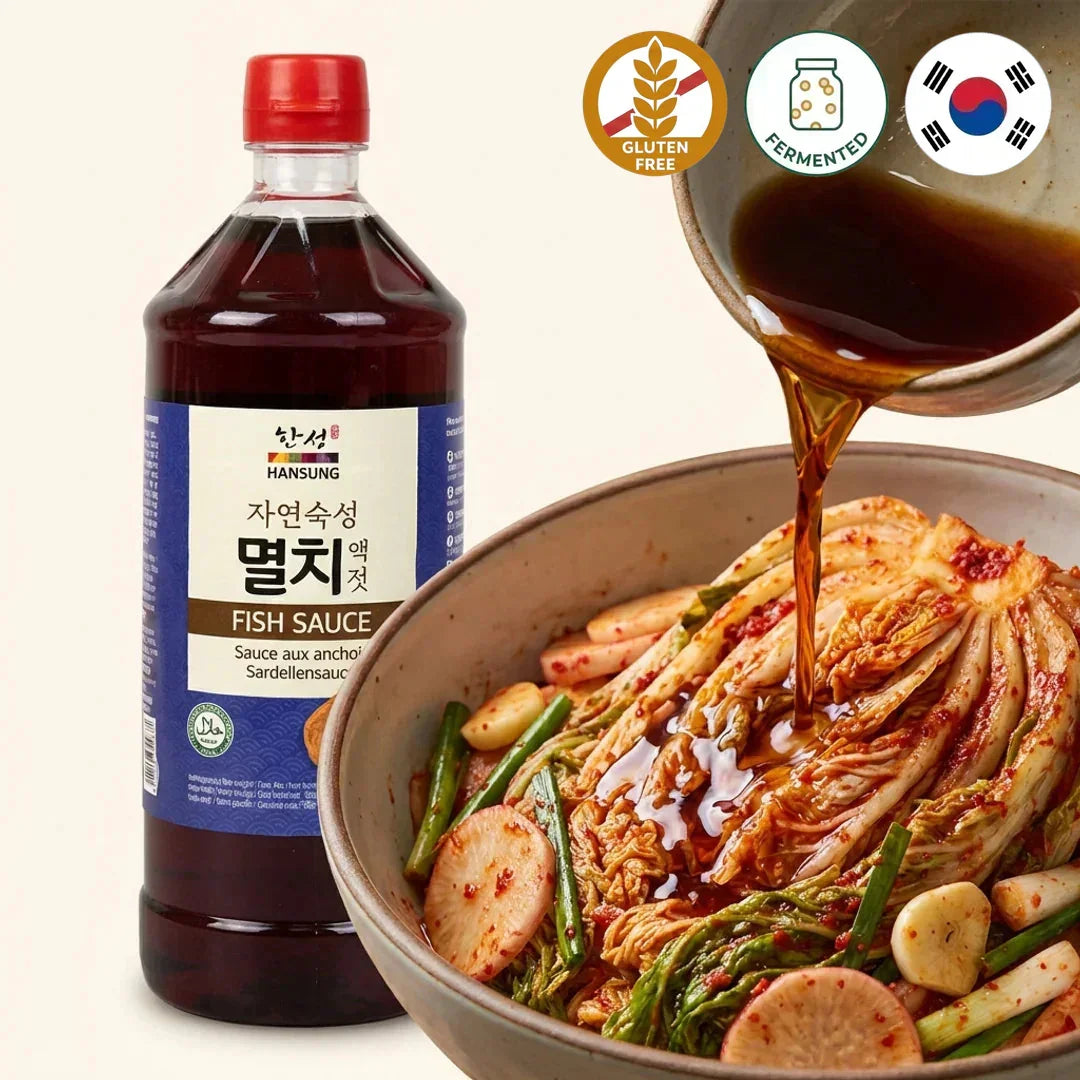
- : a lighter, seafood-based alternative if you prefer anchovy broth or want a backup.
- : turns silky and gently sweet as it simmers; it is the soul of muguk.
- : fattier cuts give a richer broth; ask your butcher to slice it thinly, or freeze briefly and slice at home.

Technique and common mistakes
The technique that matters most is seasoning in layers, with dashida added last. Many first-timers dump the powder into cold water at the start, then add salt, then wonder why the soup tastes harsh. Instead, build the base first: sear, simmer, skim. Then, off a rolling boil, stir in the dashida half a teaspoon at a time and taste between additions. The granules dissolve instantly, so you get immediate feedback. Consequently, you will never over-season. This habit transfers to every Korean soup you will ever make.
- *Bloom in fat**: Sear the beef and radish in sesame oil before adding water. The browned edges become the backbone of the broth.
- *Skim, then season**: Grey foam rises in the first five minutes of boiling. Skim it off first, otherwise the broth turns cloudy and slightly bitter.
- *Dashida last**: Add it near the end, tasting as you go. Salt afterwards, only if needed — dashida already carries plenty.
Tip: Start with less dashida than you think you need; you can always add more, but you cannot take it out.
Step by step, in photos


What to serve with beef and radish soup
In Korea, muguk is a breakfast soup as much as a dinner one. Serve it the traditional way: a bowl of steamed short-grain rice, a few banchan (반찬) side dishes, and kimchi if you have it. Some people spoon the rice straight into the soup — genuinely encouraged. Beyond this recipe, your new tub of dashida earns its keep everywhere. Try these next.
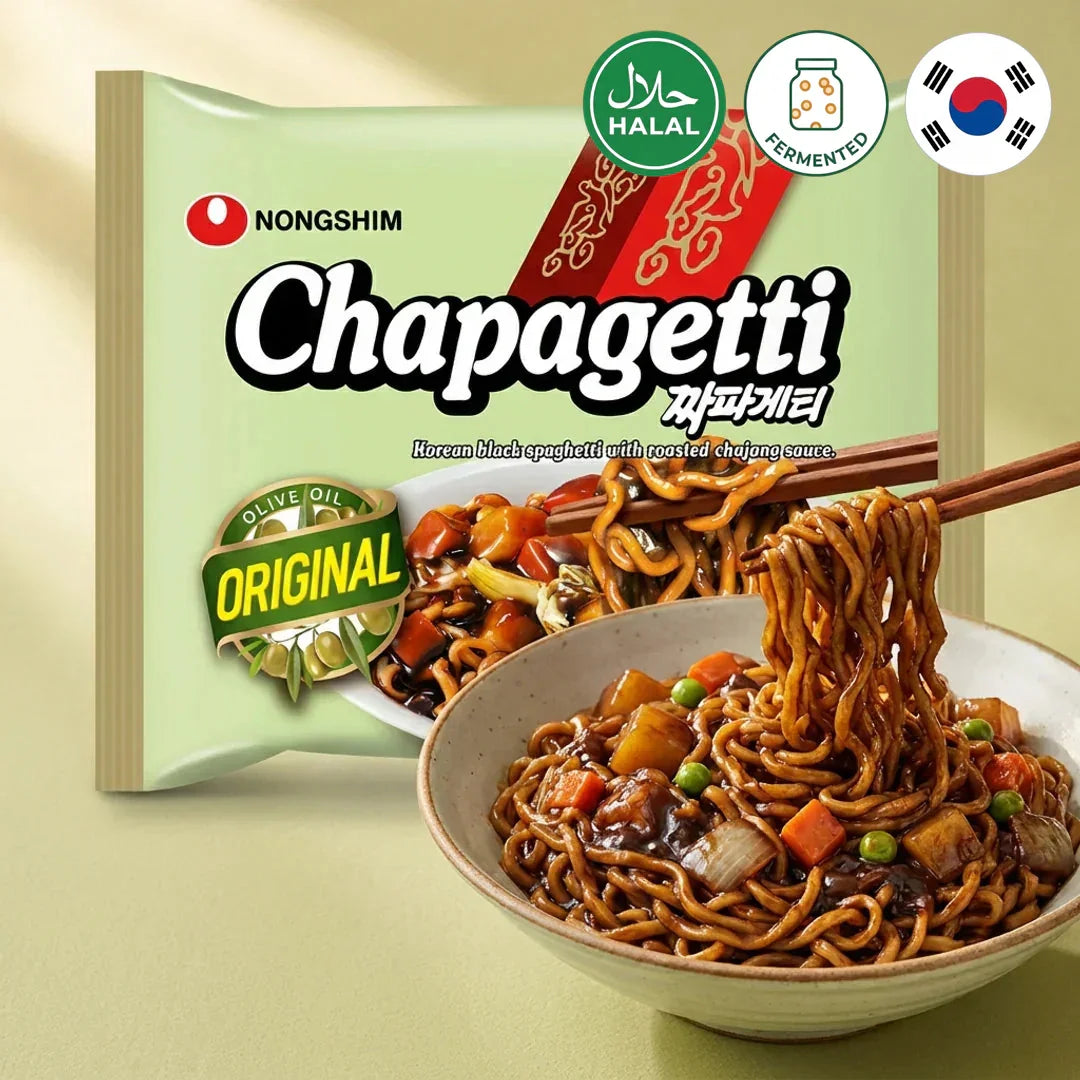
- Shin Ramyun 5-pack — a small pinch of dashida in the boiling water quietly upgrades instant noodle broth.
- traditional doenjang 1kg — dashida plus doenjang is the classic base for doenjang jjigae — your logical next pot.
- Miwon seasoned salt — keep it table-side for eggs, chips and stir-fries when a full pinch of dashida feels like too much.
One red tub, and suddenly your weeknight soups taste like someone's Korean grandmother approved them. — DotAsia Kitchen x
More Korean recipes

Shop the ingredients
In stock · shipping across Europe
 CJ Beef Dashida Stock Powder 300g6.50 €Shop
 Sempio Soup Soy Sauce 860ml4.95 €Shop
 Chung Jung One Coin Stock Cubes (Anchovy & Dipori) 60g9.95 €Shop
 Chung Jung One Miwon Seasoned Salt 500g3.49 €Shop
 Hansung Anchovy Fish Sauce 870ml6.95 €Shop
 Haechandeul Traditional Doenjang 1kg5.49 €Shop
 Nongshim Shin Ramyun 5-Pack7.20 €Shop
 Sempio Cooking Essence Yeondu 275ml7.50 €Shop

Beef & Radish Soup with Dashida (Soegogi-Muguk)
By: DotAsia Kitchen
Prep: 10 min·Cook: 25 min·Total: 35 min
Soup·Korean cuisine·Servings: 4
★★★★★A DotAsia house recipe
The best answer to what is dashida korean stock powder is to cook with it: a clear, deeply savoury beef and radish soup, ready in 35 minutes. Spice level: none.
Ingredients
Soup
Seasoning
Method
- Peel the radish and cut it into 2 cm squares, about 5 mm thick. Thin, even pieces cook through in minutes.
- Toss the beef with the garlic and half the sesame oil in a bowl. Set aside while the pot heats.
- Heat a heavy pot over medium-high heat with the remaining sesame oil until it shimmers.
- Add the beef and stir for 2 minutes until no longer pink. Scrape up any browned bits — that is flavour.
- Tip in the radish and stir-fry for 2–3 minutes until the edges turn slightly translucent.
- Pour in the water and bring to the boil. Skim off the grey foam, then add the soup soy sauce and simmer, partially covered, for 15 minutes.
- Reduce to a gentle simmer and stir in the dashida, half a teaspoon at a time, tasting between additions. Add salt only if it still needs it.
- Stir in the pepper and most of the spring onions, then simmer for 1 more minute. Ladle into bowls and top with the remaining spring onions.
Notes
- No Korean radish? Daikon from any European Asian grocer behaves almost identically; even turnip works at a pinch.
- For a lighter, seafood-leaning broth, swap the dashida for one coin-shaped anchovy stock cube and simmer it in from the start.
- A teaspoon of anchovy fish sauce added with the soup soy sauce gives extra depth without tasting fishy.
- Spice option: stir in 1–2 tsp gochugaru with the radish for the warming red version Koreans love in winter.
- Storage: keeps for 3 days in the fridge and honestly tastes better on day two. Reheat gently; do not re-boil hard.
Nutrition (per serving, approx.): Calories 165 kcal · Protein 14 g · Carbs 7 g · Fat 9 g
Did you make this recipe?
We love seeing your dishes — tag us on Instagram @dotasia.eu
Frequently asked questions
Is dashida the same as Japanese dashi?
No — they are different products despite the similar names. Dashida is a Korean granulated seasoning built on beef extract, salt, onion and MSG. Dashi is a Japanese liquid stock made from kelp and bonito flakes, with a lighter, oceanic taste. They are not interchangeable in recipes.
Does dashida contain MSG?
Yes, classic beef dashida contains monosodium glutamate alongside beef extract, salt, onion and garlic. That is precisely why a small amount delivers so much savoury depth. Major food-safety bodies, including the EFSA, consider MSG safe at normal dietary levels. If you prefer to avoid it, use a plain beef stock cube instead.
What can I use instead of dashida?
The closest substitute is a beef stock cube plus a splash of soup soy sauce, which mimics both the beefiness and the salt. Alternatively, coin-shaped anchovy stock cubes give a lighter Korean-style base. Neither is identical, but both keep a soup honest until your dashida arrives.
How much dashida should I use?
Start with roughly half a teaspoon per 250 ml of liquid, then taste and adjust. For stir-fries or fried rice, a small pinch at the end is plenty. Because dashida already carries salt, always season with it first and add extra salt only afterwards, if at all.
Stock your Korean pantry from home
Order dashida, soup soy sauce and everything else in this recipe from DotAsia — delivered to Spain, Portugal and across the EU.
Shop all products🍲
Korea's umami shortcut
Get dashida and Korean soup staples delivered to your door.
Go to the shop →


