




Jump toRecipeVideoStep by step
This japchae recipe gives you glossy, chewy Korean glass noodles tangled with beef and rainbow vegetables. It sounds fancy. Actually, it comes together in about 40 minutes with one pan and one sauce. The real trick? It hides in how you handle the noodles — and we'll show you.

Why this japchae recipe works every time
Most japchae recipes fail for one of two reasons. Either the noodles turn soggy and clumped, or the dish tastes flat and greasy. We've tested this one repeatedly in a normal European kitchen, with a normal hob. Consequently, we've stripped it back to what matters. You make one sauce and use it twice — once for the beef, once for the noodles. You cook the vegetables in quick batches, so each keeps its colour and bite. Nothing here needs special kit. If you can stir-fry an onion, you can make this.
This post teaches you two secrets. First, how to cook dangmyeon (당면) so they stay springy for days — it's all in the rinse and the snip. Second, how to build that glossy, sesame-forward sauce without drowning the dish in oil. Master those two, and this japchae recipe becomes your go-to for dinners, lunchboxes and the buffet table. It's just as good at room temperature, which makes it a quietly brilliant make-ahead dish.

What is japchae?
Japchae (잡채) literally means "mixed vegetables". The dish began in the Korean royal court in the 17th century — originally without noodles at all. The sweet potato starch noodles arrived in the early 20th century and never left. Today, no Korean birthday, holiday or family gathering feels complete without a big platter of it. We've eaten japchae at weddings in Seoul and at Tuesday dinners in Lisbon. Honestly, it belongs everywhere. The noodles are naturally gluten-free, gloriously chewy and slippery, and they soak up the soy-sesame sauce like nothing else.
What you need for japchae
The one non-negotiable is dangmyeon — Korean sweet potato starch noodles. Don't substitute rice vermicelli or mung bean noodles; the texture is completely different. Beyond that, you need soy sauce, sugar, sesame oil, garlic and whatever crisp vegetables you have. Beef is traditional, but chicken, pork or just mushrooms all work beautifully.
- : The star of the dish. Chewy, glassy dangmyeon that hold their bounce even the next day.
- : The backbone of the sauce. Deep, rounded and naturally brewed — a little goes a long way.
- : Our weeknight shortcut for the beef. Two spoonfuls, ten minutes, done.
- : Onion, carrot, red pepper, spinach and shiitake mushrooms — the classic rainbow.
- : Non-negotiable for that nutty, unmistakably Korean finish.

Technique and common mistakes
The single most important technique is noodle control. Boil the dangmyeon for 6–7 minutes until chewy but not soft. Then drain and rinse them under cold water straight away. This stops the cooking and washes off surface starch, which is what causes clumping. Finally, snip the noodles two or three times with scissors. Long, uncut noodles are the reason so many first attempts end in a tangled, unservable heap. Everything else in this japchae recipe is forgiving.
- Rinse cold, always: Warm drained noodles keep cooking and turn mushy. Cold water locks in the chew.
- Cook vegetables in batches: Crowded pans steam instead of fry. Quick batches keep colour and crunch.
- Dress while warm: Slightly warm noodles absorb the sauce; cold ones just sit in it.
Tip: Toss the finished japchae with clean hands (or two forks) rather than a spoon — you'll coat every strand without breaking the vegetables.
Step by step, in photos


What to serve with japchae
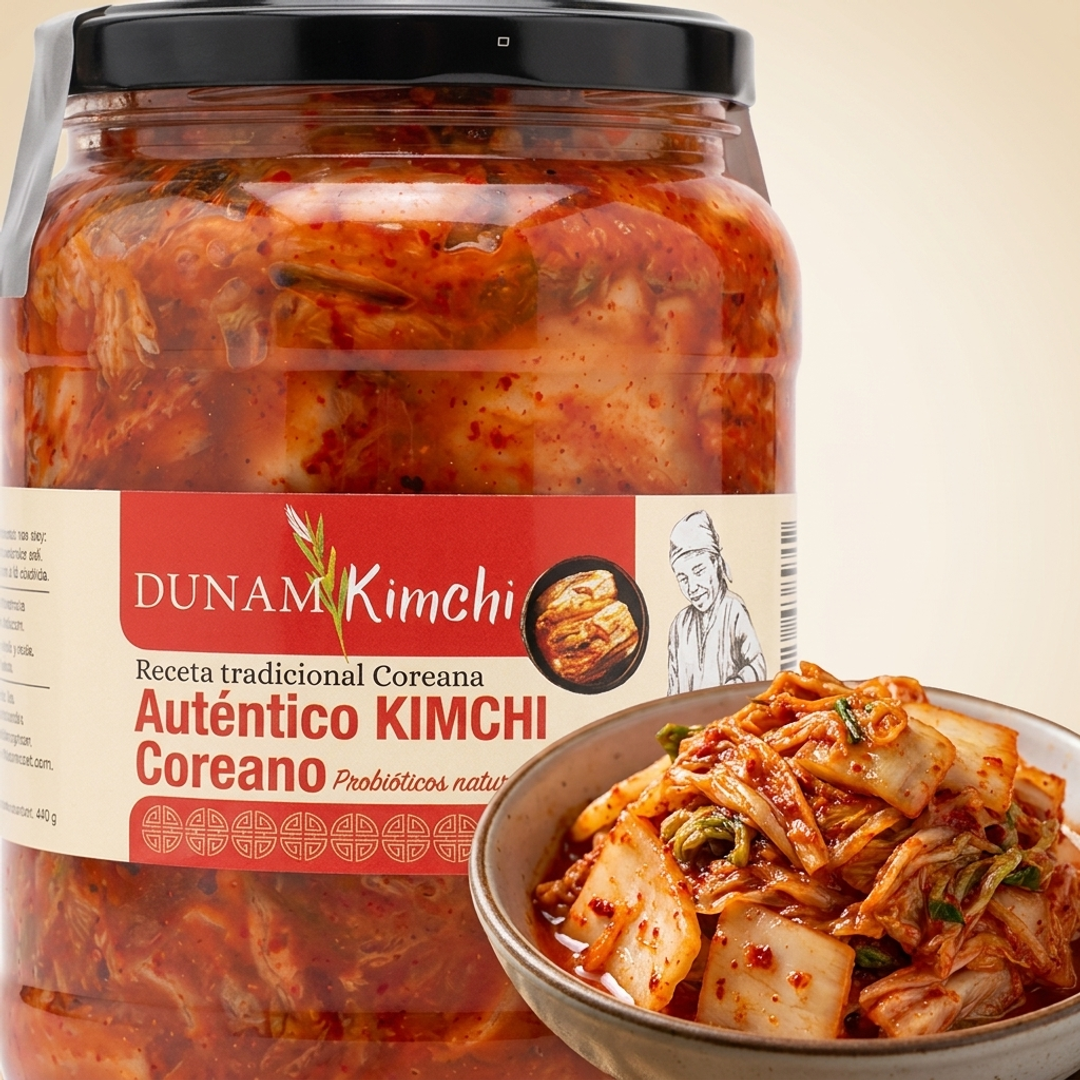
In Korea, japchae usually arrives as part of a spread — one dish among many. At home, however, it happily carries a whole meal. Serve it warm or at room temperature with a bowl of steamed rice; spoon it over the rice and you've made japchae-bap (잡채밥), a beloved lunch in its own right. A few kimchi pieces on the side cut the richness perfectly.
- CJ cooked rice — Two minutes in the microwave and your japchae-bap is sorted.
- bamboo twisted chopsticks — Slippery noodles demand proper chopsticks — these grip beautifully.
Make a big batch — japchae has a mysterious habit of disappearing before it reaches the table. — DotAsia Kitchen x
More Korean recipes

How it’s made, on video
Shop the ingredients
In stock · shipping across Europe
 Chung Jung One Traditional Sweet Potato Starch Noodles 500g (2+1)8.98 €Shop
 Ottogi Traditional Sweet Potato Starch Noodles 1kg19.00 €Shop
 Sweet Potato Starch Noodles 500g5.50 €Shop
 Sempio Jin Soy Sauce S 500ml2.95 €Shop
 Sempio Jin Soy Sauce S 1.7L9.20 €Shop
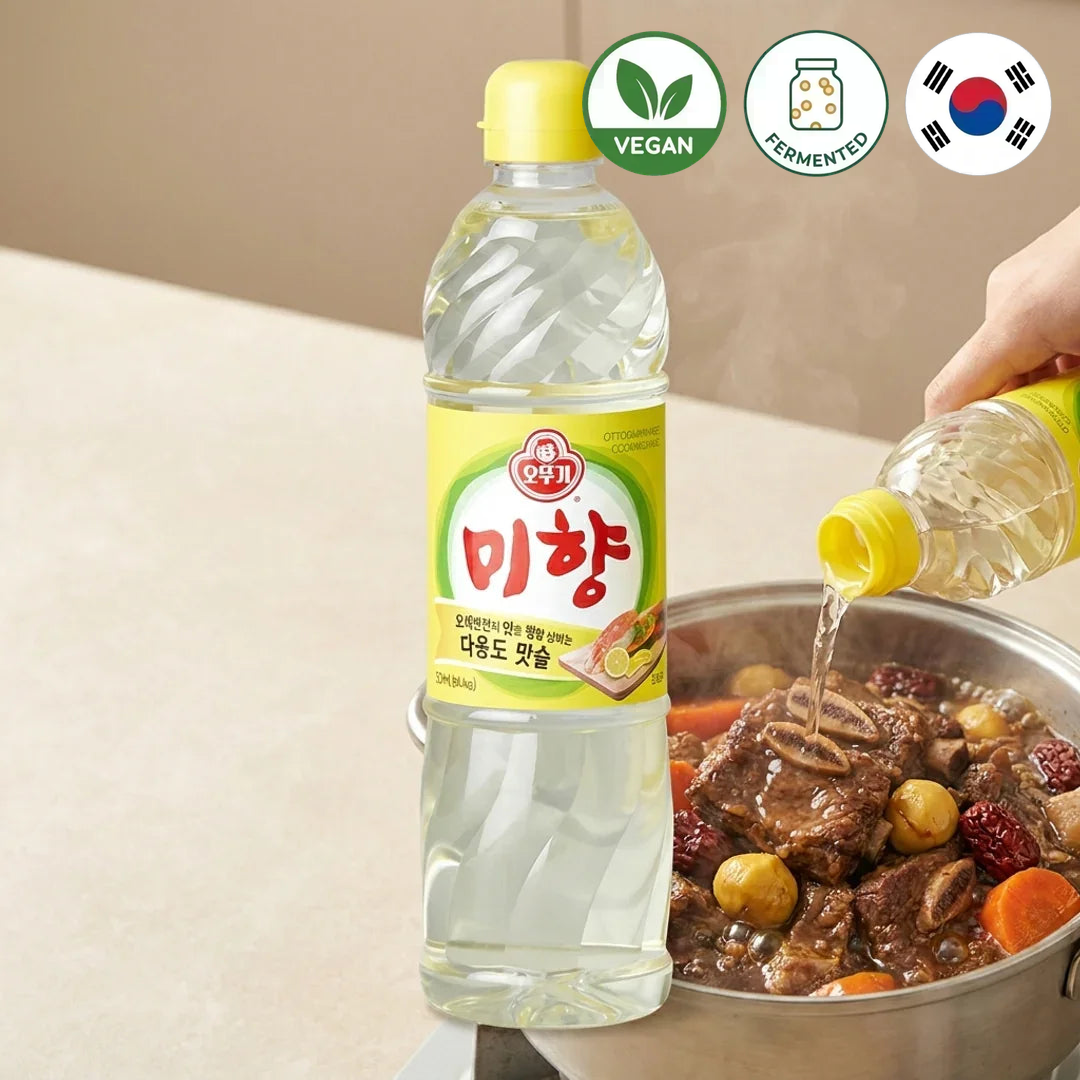
 Sempio Cooking Essence Yeondu 275ml7.50 €Shop
 Beksul Beef Bulgogi Marinade 290g2.90 €Shop
 Shinefarm Bamboo Twisted Chopsticks 5-Pack3.00 €Shop

Japchae — Korean Glass Noodles
By: DotAsia Kitchen
Prep: 20 min·Cook: 20 min·Total: 40 min
Main course·Korean cuisine·Servings: 4
★★★★★A DotAsia house recipe
An authentic japchae recipe with chewy sweet potato noodles, marinated beef and rainbow vegetables in a glossy soy-sesame sauce. Spice level: none — completely family-friendly.
Ingredients
Noodles & vegetables
Beef
Sauce
Garnish
Method
- Whisk the soy sauce, sugar, sesame oil, garlic, yeondu, sesame seeds and pepper until the sugar dissolves. Set aside.
- Toss the beef strips with 2 tablespoons of the sauce. Leave for 10 minutes while you prep.
- Cook the dangmyeon in plenty of boiling water for 6–7 minutes until chewy. Drain, rinse under cold water and snip 2–3 times with scissors.
- Drop the spinach into boiling water for 30 seconds. Squeeze dry, then season with a pinch of salt and a drop of sesame oil.
- Beat the eggs and fry into a thin omelette over low heat. Roll it up and slice into ribbons.
- Heat 1 tablespoon of oil over high heat. Fry the onion, carrot, pepper and mushrooms in two quick batches, 2 minutes each, and set aside.
- Add the remaining oil and sear the marinated beef for 2–3 minutes until caramelised at the edges.
- Return the noodles to the pan with the remaining sauce. Toss over medium heat for 2 minutes until every strand is glossy.
- Take the pan off the heat and toss in the vegetables, spinach, spring onions and beef. Top with egg ribbons and sesame seeds; serve warm or at room temperature.
Notes
- Vegetarian version :: Skip the beef and double the shiitake mushrooms. The dish loses nothing — mushrooms soak up the sauce beautifully.
- Beef shortcut :: On busy nights, marinate the beef in 2 tablespoons of Beksul bulgogi marinade instead of the sauce.
- Cooking for a crowd :: A 1kg bag of dangmyeon works out cheaper per portion — japchae scales up effortlessly.
- Storage :: Keep leftovers in the fridge for up to 3 days. Reheat in a dry pan for 2 minutes; the microwave works too.
- Video variation :: In the video, Nagi stir-fries all the vegetables together — a fine shortcut, though batches keep more colour and crunch.
- Sweetness :: Reduce the sugar to 2 tablespoons if you prefer a more savoury, less banquet-style japchae.
Nutrition (per serving, approx.): Calories 480 kcal · Protein 17 g · Carbs 63 g · Fat 18 g
Did you make this recipe?
We love seeing your dishes — tag us on Instagram @dotasia.eu
Frequently asked questions
What noodles do I need for japchae?
You need dangmyeon — Korean sweet potato starch noodles. They are glassy, chewy and naturally gluten-free, and no other noodle behaves the same way. Rice vermicelli goes soft, and mung bean noodles are too thin. We stock proper dangmyeon, which stay springy even as leftovers the next day.
Can I make japchae vegetarian?
Yes, easily — japchae is arguably better known as a vegetable dish. Simply leave out the beef and double the shiitake mushrooms, which carry the soy-sesame sauce brilliantly. The dish stays gluten-free too, if you use tamari. Many Korean households serve meat-free japchae at temple meals and family gatherings.
Is japchae served hot or cold?
Japchae is traditionally served warm or at room temperature, not piping hot. In Korea, it sits on the banquet table alongside other dishes and gets grazed on for hours. This makes it a superb make-ahead option for parties, picnics and lunchboxes — the flavour actually deepens as it rests.
How long does japchae keep?
Japchae keeps for up to three days in an airtight container in the fridge. The noodles firm up when cold, so reheat leftovers in a dry frying pan for two minutes, or microwave briefly. Avoid freezing, however — the noodle texture turns unpleasantly rubbery once thawed.
Get everything for japchae delivered
From dangmyeon to sesame oil — we ship authentic Korean ingredients across Spain, Portugal and the EU, straight to your door.
Shop all products🥢
Real dangmyeon, delivered
Authentic Korean glass noodles and sauces, shipped across the EU.
Go to the shop →


