05/04/2027
OUT OF STOCK
Essential ingredient for Korean Gimbap · Yellow pickled radish
Danmuji is the iconic yellow pickled radish that is indispensable in Korean Gimbap. Its satisfying crunch and sweet-tangy flavour instantly bring out the best in seaweed, rice, and vegetables. The most beloved Gimbap ingredient in Korean homes and street food stalls — the generous 1kg size is perfect for family gatherings or preparing Dosirak lunch boxes.
Nutrition declaration in accordance with EU Regulation 1169/2011. This product uses artificial sweeteners (E951, E954, E950) and contains no added sugars.
Radish (Daikon), Water, Salt, Acidity regulators: E260 (Acetic acid), E330 (Citric acid), Preservative: E202 (Potassium sorbate), Sweeteners: E951 (Aspartame), E954 (Saccharin), E950 (Acesulfame K), Colour: E101 (Riboflavin / Vitamin B2).
* Contains a source of phenylalanine — contains Aspartame (E951). People with phenylketonuria (PKU) should exercise caution.
This product does not contain any of the 14 EU mandatory declarable allergens. However, the artificial sweetener Aspartame (E951) contains a source of phenylalanine. People with phenylketonuria (PKU) should avoid consumption.
Characterised by a sweet-tangy pickle flavour and a firm, satisfying crunch. Similar to European cornichons or German Gurken, but noticeably lighter and sweeter in profile.
Discover the many ways Danmuji is enjoyed in Korean homes and street food stalls — from Gimbap to Dosirak, experience authentic Korean flavour.
dotAsia brings authentic Korean flavours directly to European homes. Try making your own Korean Gimbap and Dosirak at home with INAKA Pickled Radish (Danmuji) 1kg.
Danmuji (Gimbap Pickled Radish) is a Korean-style pickled daikon radish prepared with vinegar, salt, and sweeteners. It is an acid-pickled product — not fermented — with its tartness derived from acetic acid (E260) and citric acid (E330). The flavour is sweet-tangy with a mild saltiness, and the texture is firm and satisfyingly crunchy. It shares a similar acidity to European cornichon pickles or German Gurken, but is noticeably sweeter and lighter in flavour. Its characteristic yellow colour comes from the natural colour riboflavin (E101, Vitamin B2).
Yes, INAKA Danmuji is 100% suitable for both vegans and vegetarians. The ingredients consist solely of radish, water, salt, and food additives (acidity regulators, preservative, sweeteners, and colour) — no animal-derived ingredients whatsoever. The product also contains no gluten, making it safe for those following a gluten-free diet.
Caution is required. This product contains the sweetener Aspartame (E951). In accordance with EU Regulation 1169/2011 (Annex III), aspartame contains a source of phenylalanine. People with phenylketonuria (PKU) or those who need to restrict phenylalanine intake should avoid this product or consult a healthcare professional before consuming it.
The most well-known use of Danmuji is as a filling ingredient in Gimbap — the Korean rice roll. Gimbap resembles a Japanese sushi roll in appearance, but is a distinctly Korean creation filled with vegetables, egg, and Danmuji rather than raw fish. Beyond Gimbap, it can be served as a topping on Bibimbap (mixed rice bowl), eaten as a side dish in a Korean Dosirak lunch box, or finely chopped and stirred into fried rice. Its firm crunch provides a refreshing counterpoint to rich, oily dishes.
INAKA Danmuji is manufactured in China. The country of origin is clearly declared in compliance with EU Food Information Regulation 1169/2011 (Article 26). The product requires refrigerated storage. Before opening, keep refrigerated. After opening, transfer to an airtight container, continue to refrigerate, and use as soon as possible. The generous 1kg size is well suited to multiple uses over time.
만족~ 김밥 여러번 싸먹을 수 있는 충분한 양입니다.
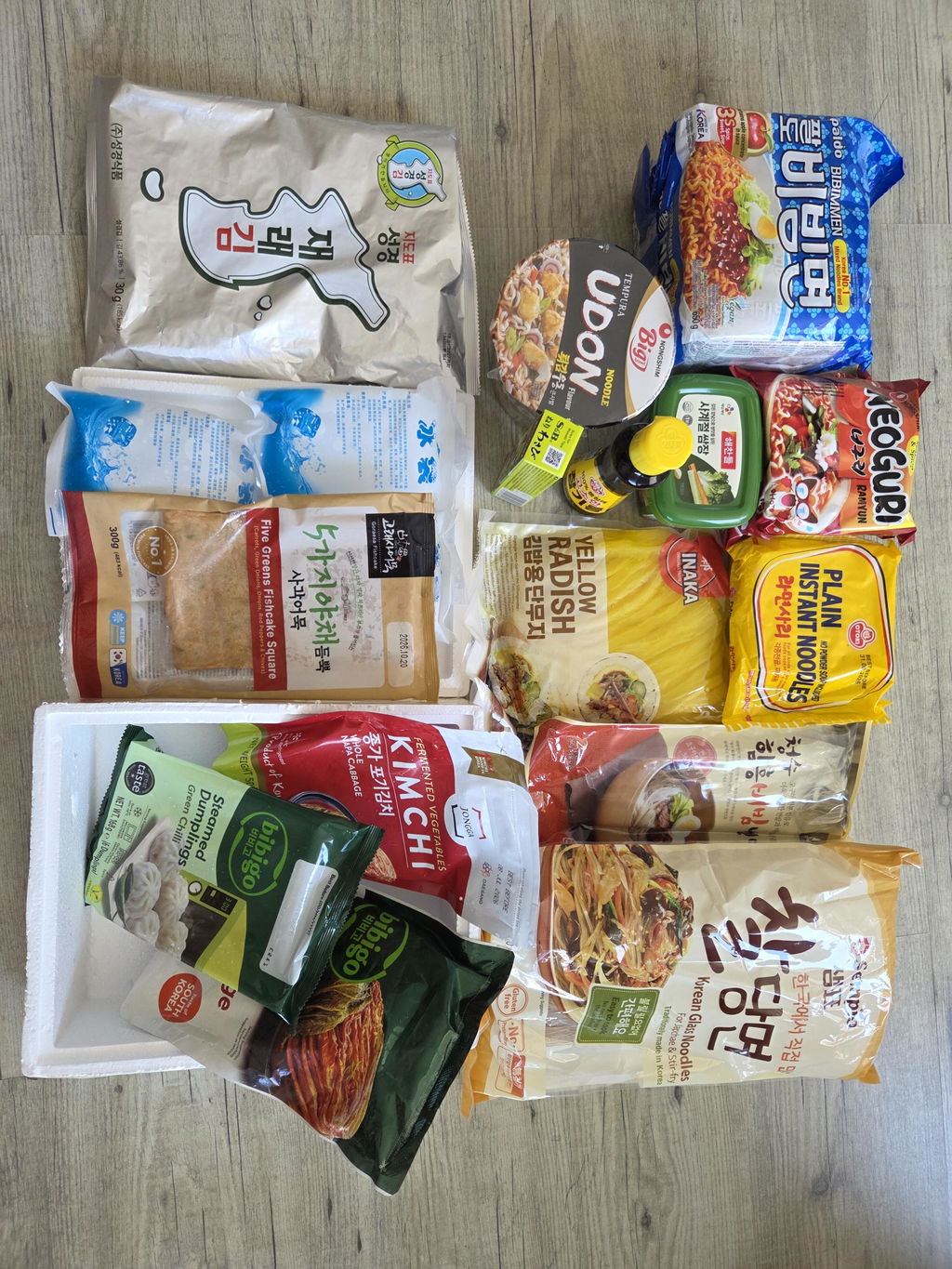
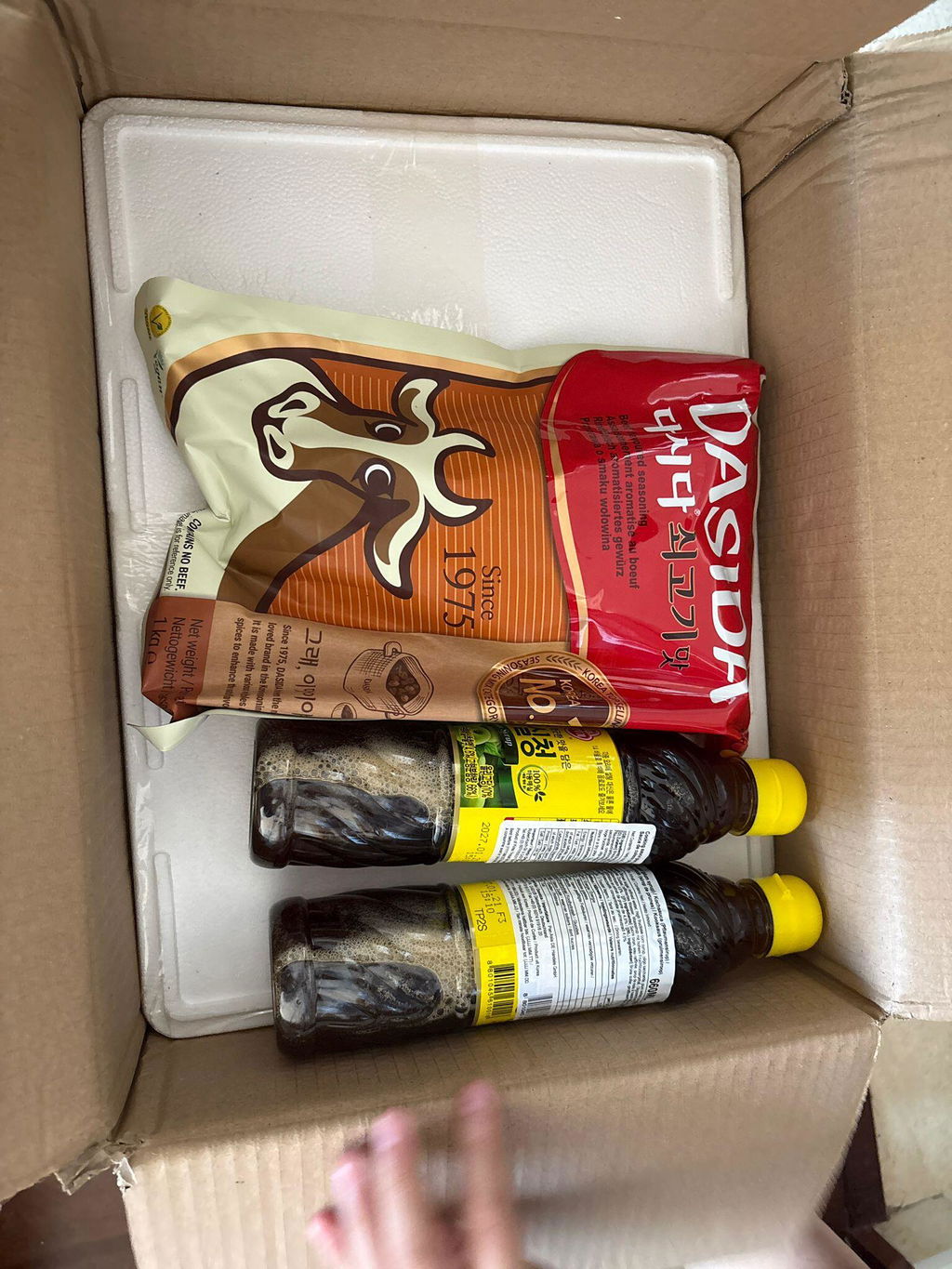
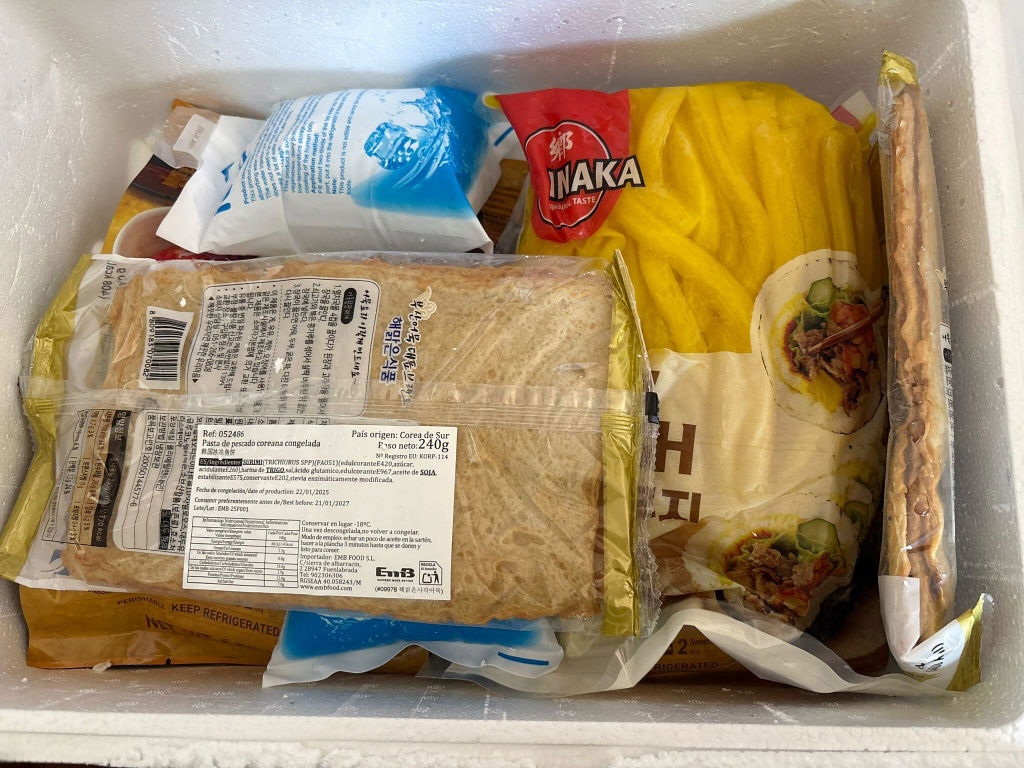
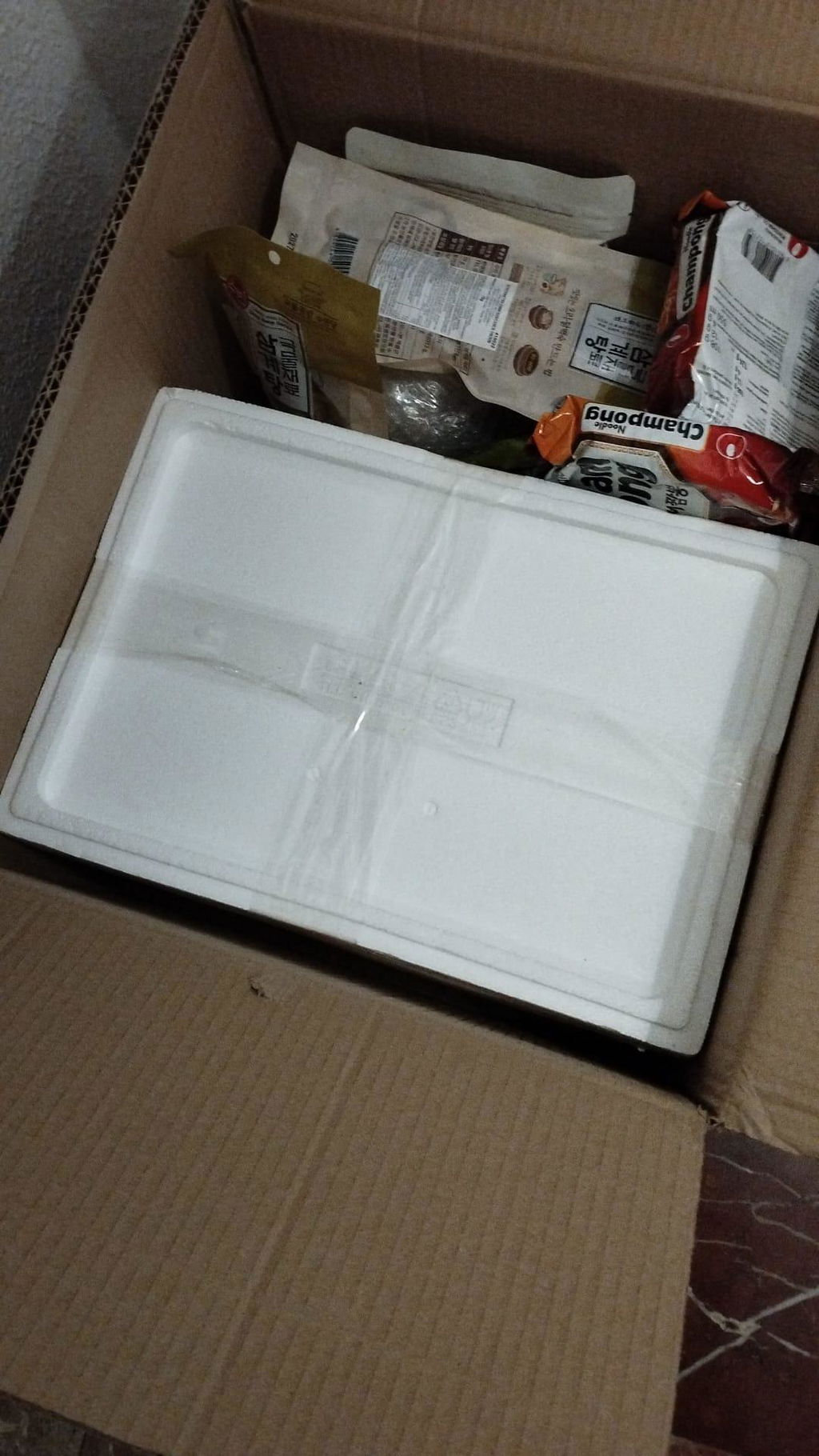
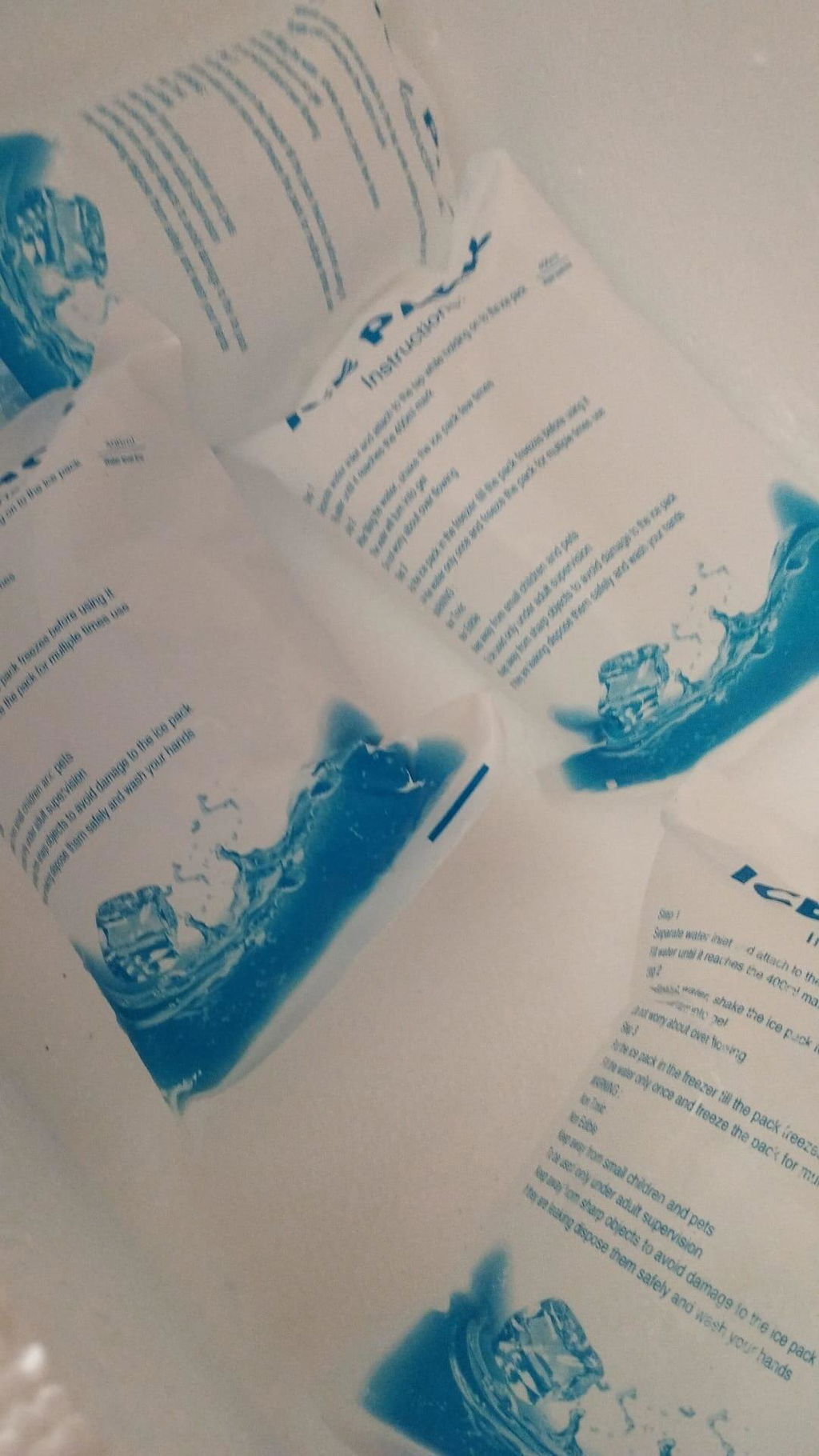
스티로폼 박스에 얼음팩이 3개나 들어있어서 최고의 퀄리티로 제품을 받을 수 있었습니다.
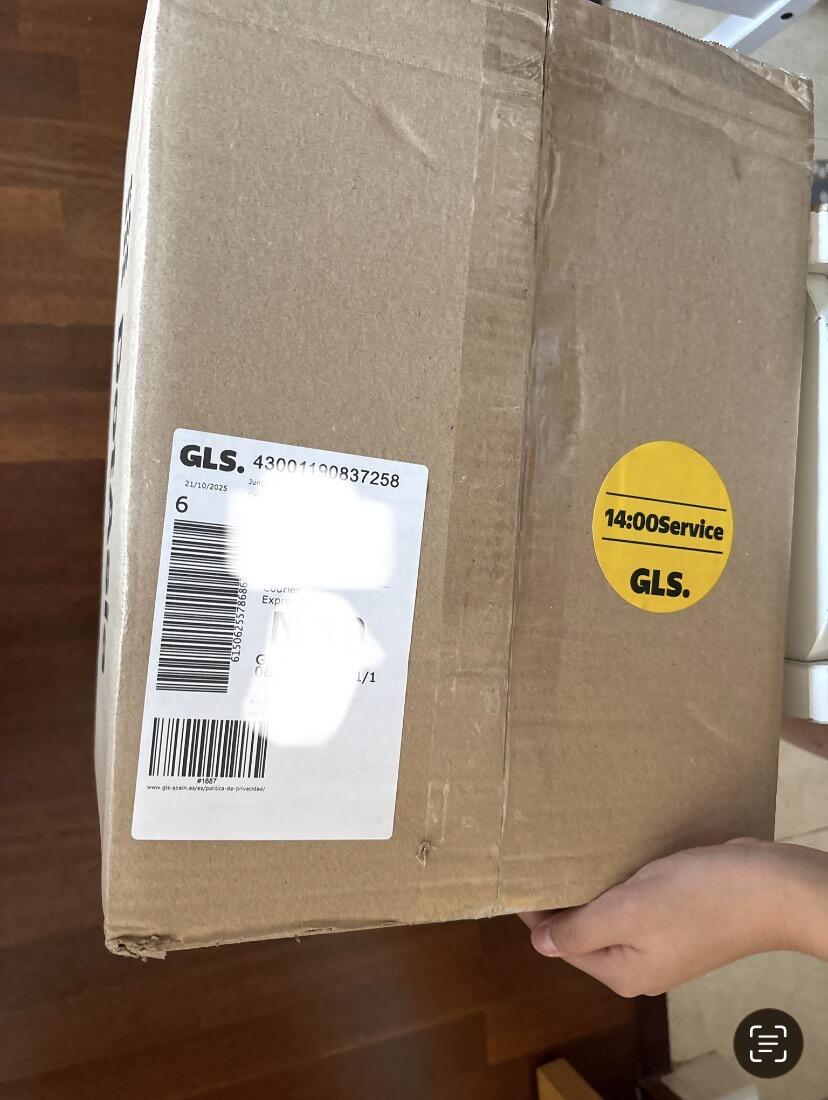
Genial el envío, rápido y muy bien empaquetado. Lo envían con caja de congelación para los alimentos que deben ser congelados o refrigerados. Todo un acierto.
Sign up for early Sale access plus tailored new arrivals, trends and promotions. To opt out, click unsubscribe in our emails
Please select your shipping country.
Buy from the country of your choice. Remember that we can only ship your order to addresses located in the chosen country.