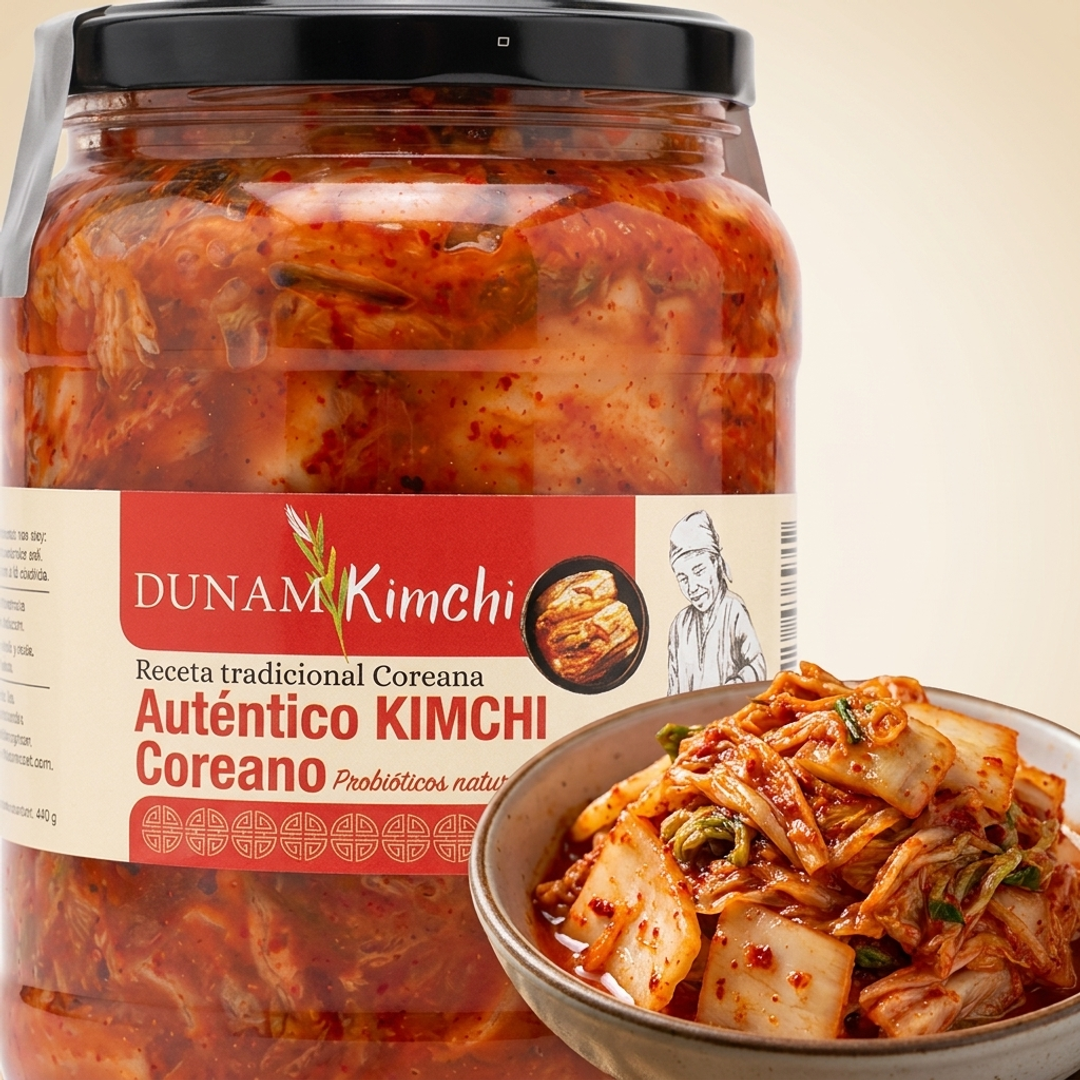
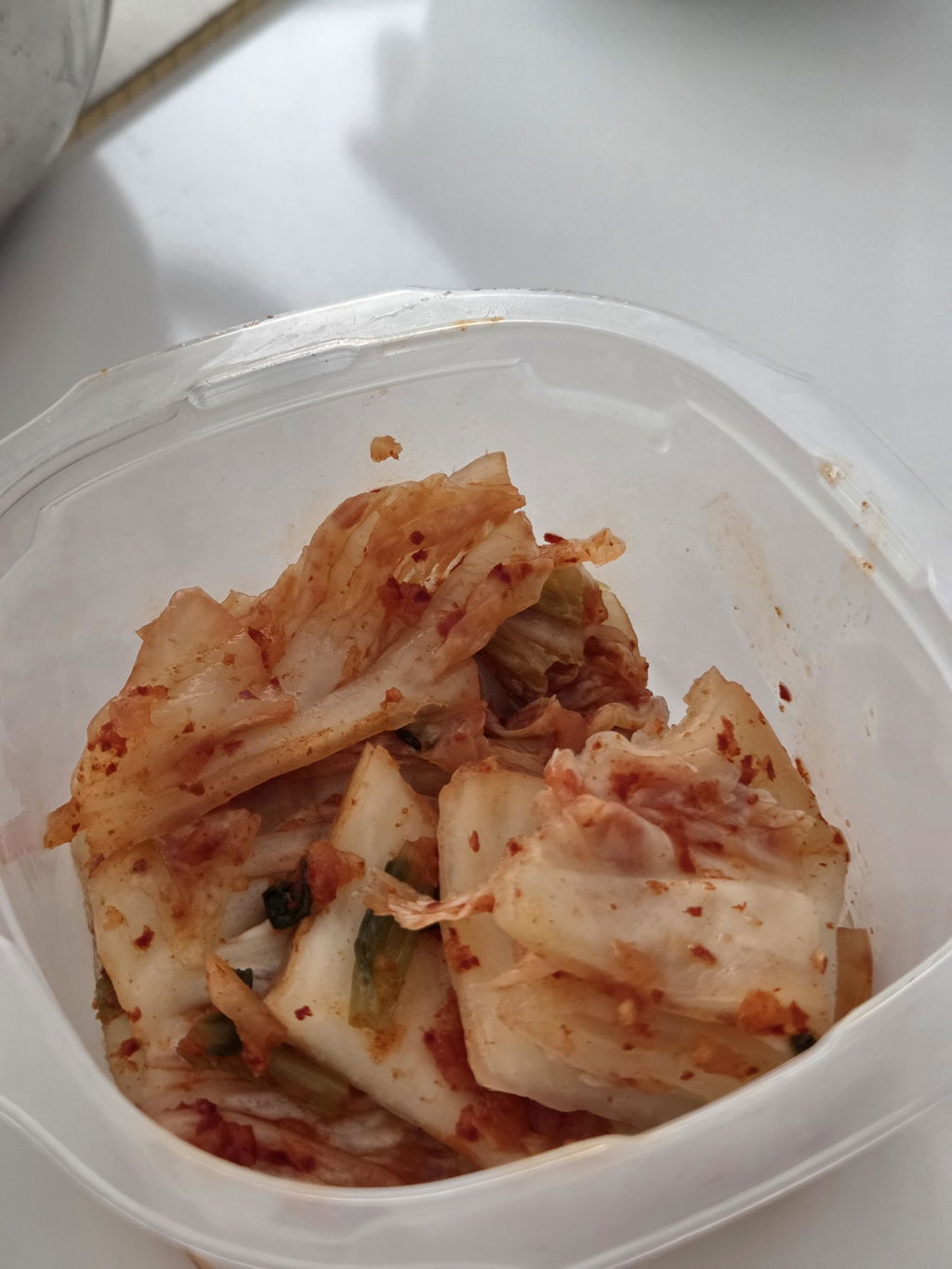
What is Pogi Kimchi? In Korea, Kimchi is not merely a side dish — it is the centrepiece of every meal. Among all varieties, Pogi Kimchi is the most traditional form: a whole napa cabbage is halved and seasoned leaf by leaf before being fermented whole. Jongga, Korea's No.1 Kimchi brand, carefully manages every step — salting, seasoning, and ageing — to faithfully recreate the authentic flavour of Korean home cooking built over decades.
The Science of Fermentation. Kimchi fermentation occurs as naturally present Lactic Acid Bacteria (LAB) slowly break down the sugars in the cabbage. Jongga uses Leuconostoc DRC0211 — a kimchi-specific LAB strain isolated and cultivated from Korean nature — together with a plant-based lactic acid bacteria fermented liquid, achieving a deep and consistent flavour profile. During this fermentation process, Kimchi's characteristic refreshing acidity, rich umami, and subtle effervescence develop naturally.
A Connection to European Fermentation Culture. Just as cheese is fermented milk, wine is fermented grape, and Sauerkraut is naturally fermented cabbage, Kimchi is naturally fermented napa cabbage. The distinction lies in the Korean addition of garlic, chilli, ginger, and fermented seafood sauces, which create a far more layered and complex flavour. As Kimchi continues to slowly ferment under refrigeration, its acidity deepens over time — a more aged character that Koreans call "Mukeunji" (well-aged Kimchi).