Garlic scapes (Maneulljong) are the young stems that grow upward as the garlic plant matures. Harvested in spring as a seasonal vegetable, Koreans have long prepared these tender, crisp stems into a variety of side dishes. Yangnyeom Maneulljong is among the most beloved of these — finely cut garlic scapes tossed in a traditional Korean seasoning blend, making it an authentic Banchan (side dish).
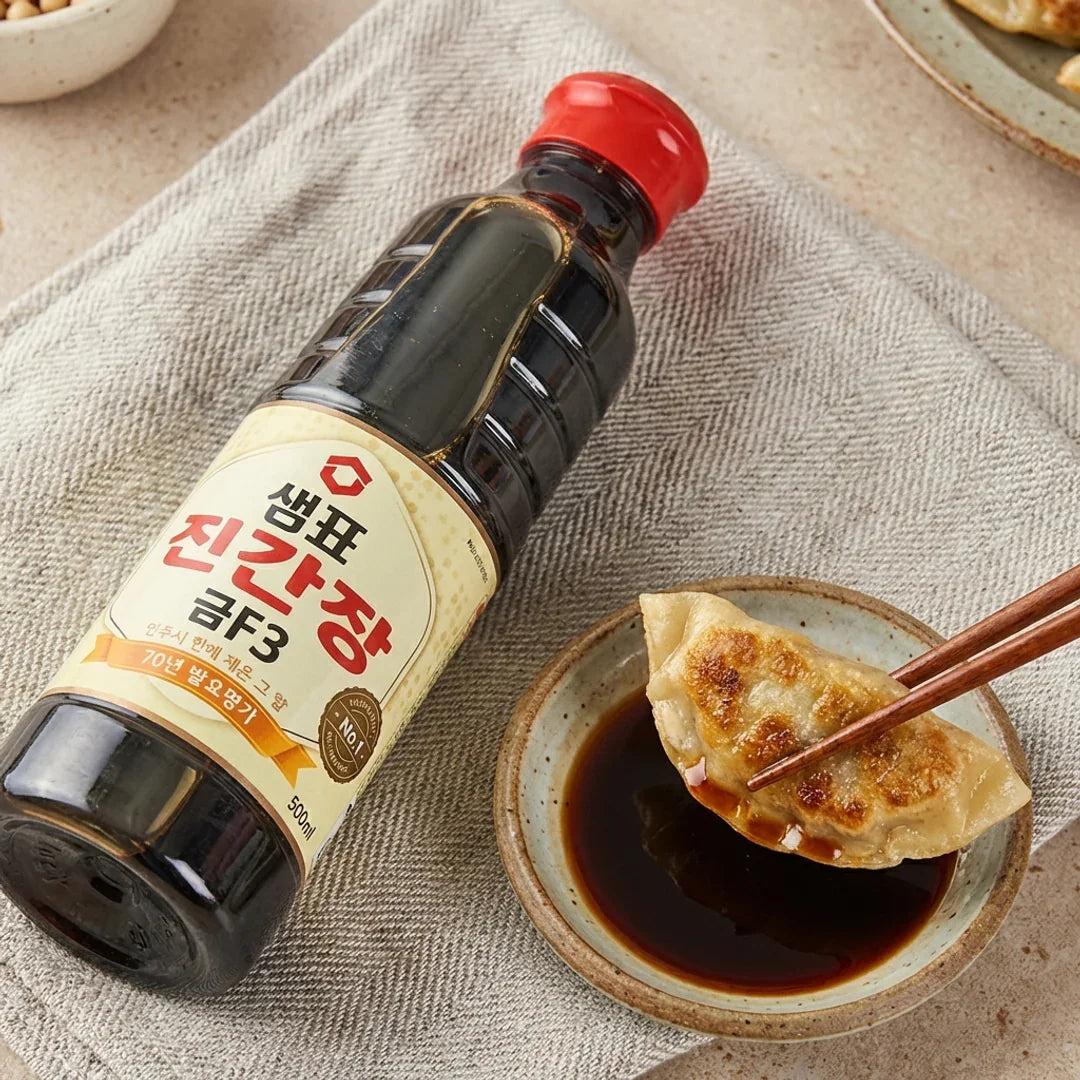
The heart of the seasoning lies in Korea's traditional naturally fermented condiments. Soy sauce (Ganjang) is the essence of saltiness and umami, produced by naturally fermenting soybeans over several months. Gochujang (red chili paste) is equally a product of fermentation — fermented soybeans, red chili powder, and glutinous rice come together to create Korea's iconic deeply flavored paste. Combined with sesame oil, whole sesame seeds, and garlic, every bite achieves a perfect balance of savory, nutty, and mildly spicy.
Just as European cheese and wine develop deeper complexity through aging over time, Korean fermented condiments acquire a richness that goes far beyond simple saltiness through long fermentation. Much like sauerkraut transforms cabbage into something entirely new through fermentation, Korean seasoning uses the power of fermentation to bring out a fuller, more layered flavor from vegetables.