




Jump toRecipeVideoStep by step
Korean ramen is the quickest route to a deeply savoury, slurp-worthy bowl on a busy night. We'll show you the small tricks that turn a humble packet into something you'd actually serve guests. The secret? It's all in the egg and the timing.

Why our Korean ramen method works
Most of us cook the packet exactly as printed. Then we wonder why it tastes flat. The truth is that instant noodles love a little intervention. A splash less water concentrates the broth. A handful of toppings adds body. Suddenly your weeknight bowl has depth and heat that rival a noodle shop. Best of all, you barely lift a finger. This recipe respects your time while quietly upgrading the result. We've tested it on fussy flatmates and converted them all.
Here we teach you two things. First, the egg secret: when to add it, and how to get that silky, half-set yolk Koreans adore. Second, the timing that keeps noodles springy rather than soft. Master both, and any brand sings. We use Neoguri (너구리) here for its thick, chewy strands and seafood-forward broth. Swap in Shin Ramyun (신라면) if you crave more heat. Either way, the method stays the same.

What is Korean ramen?
Korean ramen, or ramyeon (라면), is instant wheat noodles sold with a punchy soup sachet and dried vegetable flakes. Introduced in 1963, it grew into a national comfort food. Koreans eat it late at night, on hiking trips and after a few drinks. Unlike Japanese ramen, which simmers for hours, this version is gloriously fast. Yet the flavour runs deep, thanks to chilli, garlic and anchovy notes. South Korea consumes more instant noodles per head than any other country. Once you taste a properly dressed bowl, you'll understand exactly why.
What you need for Korean ramen
The packet does the heavy lifting, but a few extras transform it. You need a good noodle base, one egg and something fresh to top it. Kimchi adds tang and crunch. A protein turns a snack into supper. Everything below either lives in your cupboard already or arrives in one DotAsia order. Substitutions are easy, so don't stress.
- : the noodle and soup base; pick mild or spicy to taste.
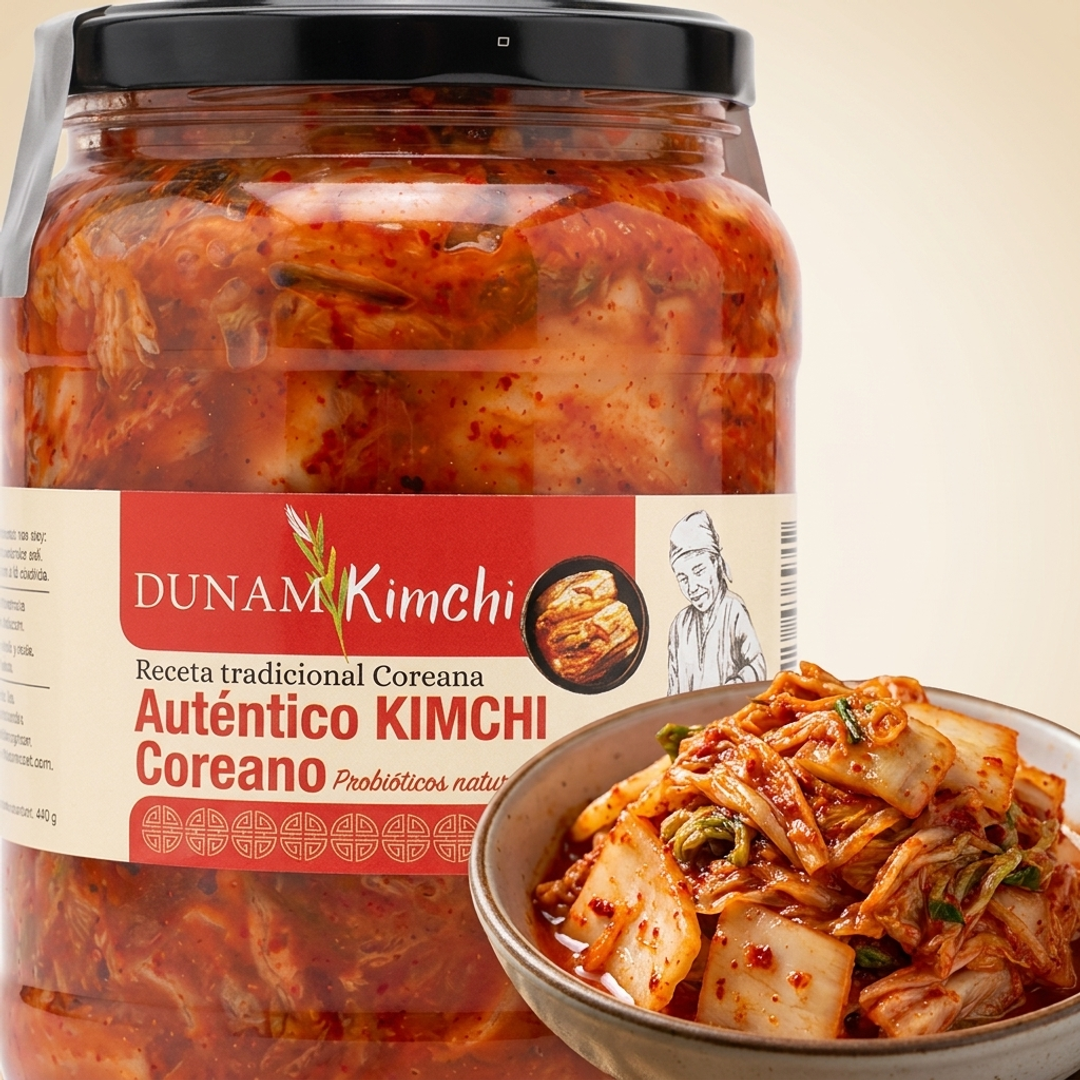
- : stir in for tang, probiotics and a pop of colour.
- : quick protein that melts into the broth.
- : cracked in at the end for silky richness (pantry staple).
- : sliced for fresh, sharp finish (pantry staple).

Technique and common mistakes
The single biggest fix is water. Packets often suggest 550ml, but we use roughly 500ml for a richer broth. Next comes the egg. Drop it in during the final minute and resist stirring. Let it poach gently against the noodles. If you prefer a runny yolk, cover the pot and switch off the heat. Lastly, never overcook. Korean noodles want bite, so pull them while they still resist slightly. Soft, bloated strands are the most common error, and the easiest to avoid.
- Less water: Use about 500ml instead of the printed amount for a deeper, glossier soup.
- Egg last: Add it in the final minute; don't stir, so it sets into silky ribbons.
- Mind the bite: Pull noodles 30 seconds early; they keep cooking in hot broth.
Tip: For extra body, slide in a slice of cheese off the heat — it melts into a creamy, mellow swirl.
Step by step, in photos


What to serve with Korean ramen
Ramen rarely travels alone in Korea. A few cold, sharp sides cut through the rich broth beautifully. Kimchi is non-negotiable. Crisp seaweed adds a salty crunch between slurps. And if you're feeding a crowd, a plate of fried snacks turns supper into a proper spread. Keep portions small — these are accents, not mains.
- Jidopyo traditional seaweed — tear sheets to wrap noodles or eat alongside for crunch.
- Jongga whole cabbage kimchi — cold, tangy and perfect against the hot soup.
- Saongwon kimmari fries — crispy seaweed-rolled noodle bites for dunking.
Pull up a stool, grab your chopsticks and slurp loudly — that's the Korean way. — DotAsia Kitchen x
More Korean recipes

How it’s made, on video
Shop the ingredients
In stock · shipping across Europe
 Nongshim Neoguri Mild Flavour 120g1.47 €Shop
 Nongshim Shin Ramyun Kimchi 120g1.55 €Shop
 Bibigo Whole Cabbage Kimchi 1kg (Refrigerated)14.95 €Shop
 Dongwon Chilli Tuna 135g5.95 €Shop
 Jidopyo Bible Traditional Seaweed 30g4.99 €Shop
 Jongga Whole Cabbage Kimchi 500g (Refrigerated)7.50 €Shop
 Saongwon Kimmari Seaweed Noodle Rolls 300g (Frozen)6.50 €Shop
 Nongshim Shin Ramyun Kimchi Big Bowl 112g2.50 €Shop

10-Minute Korean Ramen
By: DotAsia Kitchen
Prep: 3 min·Cook: 7 min·Total: 10 min
Main course·Korean cuisine·Servings: 1
★★★★★A DotAsia house recipe
Korean ramen done right: springy noodles, deep broth and a silky egg, ready in ten minutes. Spice level: medium (adjust with your packet of choice).
Ingredients
Noodles
Toppings
Method
- Bring 500ml water to a rolling boil in a small pot.
- Tip in the soup powder and dried vegetable flakes; stir to dissolve.
- Drop in the noodle block and simmer for 3 minutes, loosening with chopsticks.
- Stir in the chilli tuna or any protein you fancy.
- Slide the egg in during the final minute and leave it undisturbed.
- For a runny yolk, cover the pot and switch off the heat.
- Add a slice of cheese now if using, swirling gently until it melts.
- Pour everything into a deep bowl, broth and all.
- Scatter spring onions and chopped kimchi over the top. Slurp immediately.
Notes
- Heat level: choose Neoguri spicy for more kick or the mild version for a gentler bowl.
- Veg-friendly: skip the tuna and load up with mushrooms, spinach and extra spring onion.
- Less water means a richer broth; add a splash more if you prefer it soupy.
- Storage: ramen is best eaten fresh, as noodles soften and absorb broth within minutes.
- As in Chung's K Food video, a slice of cheese off the heat makes the soup wonderfully creamy.
- For a heartier meal, serve with Jidopyo seaweed on the side.
Nutrition (per serving, approx.): Calories 520 kcal · Protein 18 g · Carbs 68 g · Fat 20 g
Did you make this recipe?
We love seeing your dishes — tag us on Instagram @dotasia.eu
Frequently asked questions
What are the best Korean ramen brands?
Nongshim leads the pack. Shin Ramyun delivers bold heat, Neoguri offers chewy seafood broth, and Buldak brings fiery spice. All three are crowd favourites. Start with Neoguri for a balanced, approachable bowl, then explore from there once you've found your spice tolerance.
Is Korean ramen very spicy?
It varies by brand. Mild options like Neoguri mild stay gentle, while Buldak and spicy Shin Ramyun pack serious heat. To tame any bowl, add an egg, a slice of cheese or a splash of milk. These soften the chilli without dulling the flavour.
Can I make Korean ramen vegetarian?
Yes, easily. Most packets contain some meat or seafood in the powder, so check the label. Skip animal proteins and load the bowl with mushrooms, spinach, tofu and kimchi. The dried vegetable flakes and chilli base still deliver plenty of savoury depth.
Do I need a special Korean ramen pot?
No, any small saucepan works fine. That said, the traditional yellow aluminium pot heats fast and lets you eat straight from it. A pot simply speeds things up. For most home cooks, a regular saucepan and a deep bowl do the job perfectly.
Stock your Korean ramen shelf
Grab your favourite noodles, kimchi and toppings in one order — delivered across Spain, Portugal and the EU.
Shop all products


